Actors carry feelings the way porters carry water — carefully, in public, where strangers can choose to look away or learn. Theatre is education dressed as entertainment.
We want to nurture young talent in theatre arts and film, not as a luxury for Nairobi’s uptown stages, but as a craft rooted in Kibera’s stories.
Our survey still echoes: roughly 98% of formal performance spaces sit in the capital’s polished halls and universities — rarely in informal settlements. Talent is everywhere; access is not.
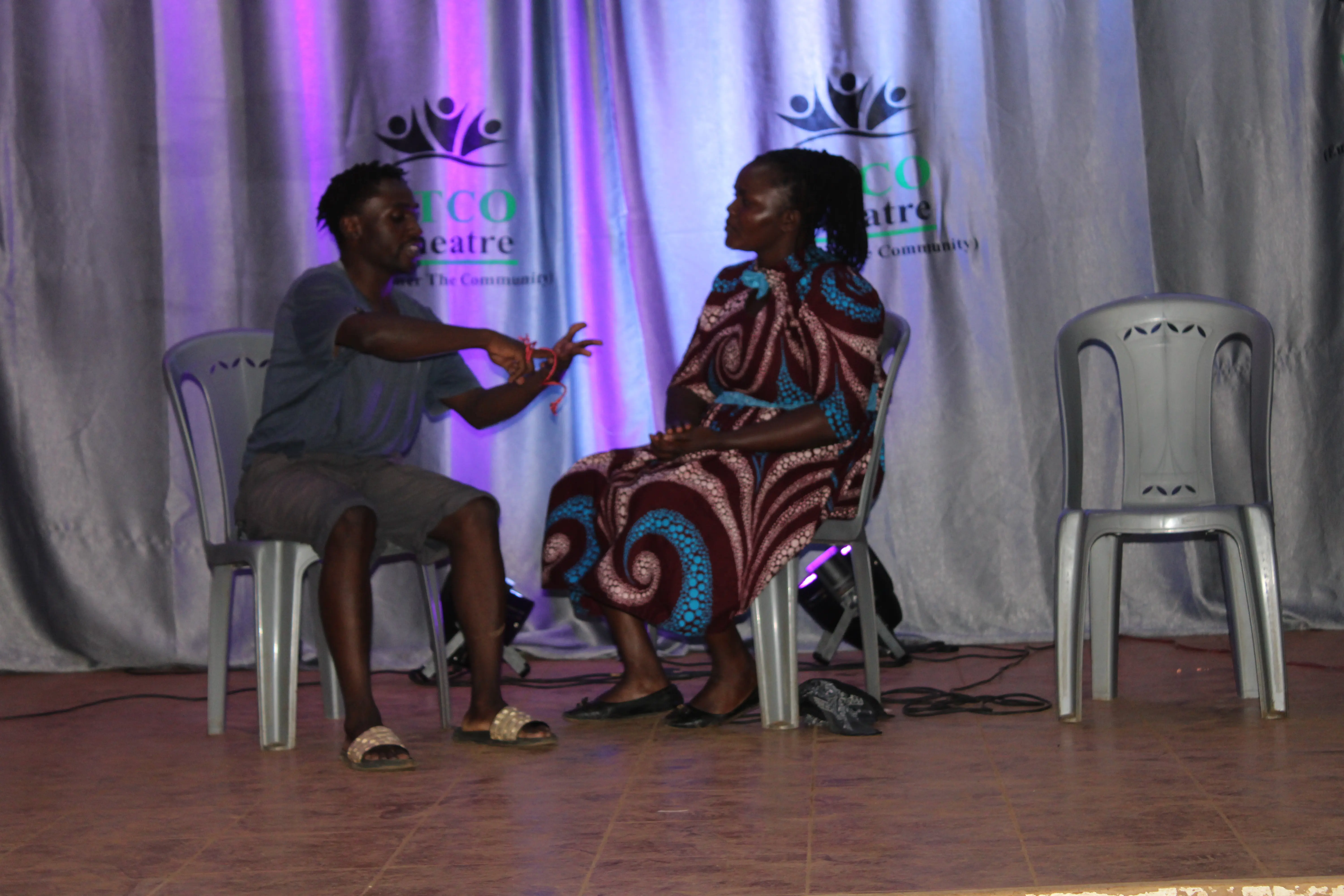
We began with street theatre — short plays on corners, crowds gathering like firelight. Interest swelled. Now we hire rehearsal space when we can, and dream of our own hall: a room with proper lights, safe wiring, seats for grandparents, storage for costumes that smell of sweat and hope.
Between scenes, actors become neighbours again — selling mandazi, fixing a shoe, arguing about football scores. That split identity is not failure; it is honesty. A stage gives the argument a script.
Film and theatre training is also technical: microphones that do not squeal, lights that flatter faces instead of bleaching them, cameras that do not eat memory cards mid-take. We learn in borrowed rooms because the alternative is silence.
The stage we are building
A permanent theatre would not only inspire; it could pay artists, train technicians, host film nights for teenagers who need more than a phone screen. If you work in lighting, sound, or set design, we welcome your eye. If you can fund rent for a season, we will put tickets within reach of neighbours.
If you have ever stood in a polished auditorium in Nairobi and wondered where the settlement stories went — they are here, rehearsing on borrowed time. Help us build the room they deserve.