Informal settlements are often called dirty before they are called home. At ETCO, we refuse the insult without denying the plastic in the drain — work begins where shame ends.
Morning light catches plastic in ditches; it also catches neighbours who sweep anyway — because dignity is not waiting for a truck that never comes.
Compost turns peelings into soil; soil turns a sack into a garden. We teach that chemistry in plain language — no TED talk, just gloves and a demonstration beside someone’s wall.
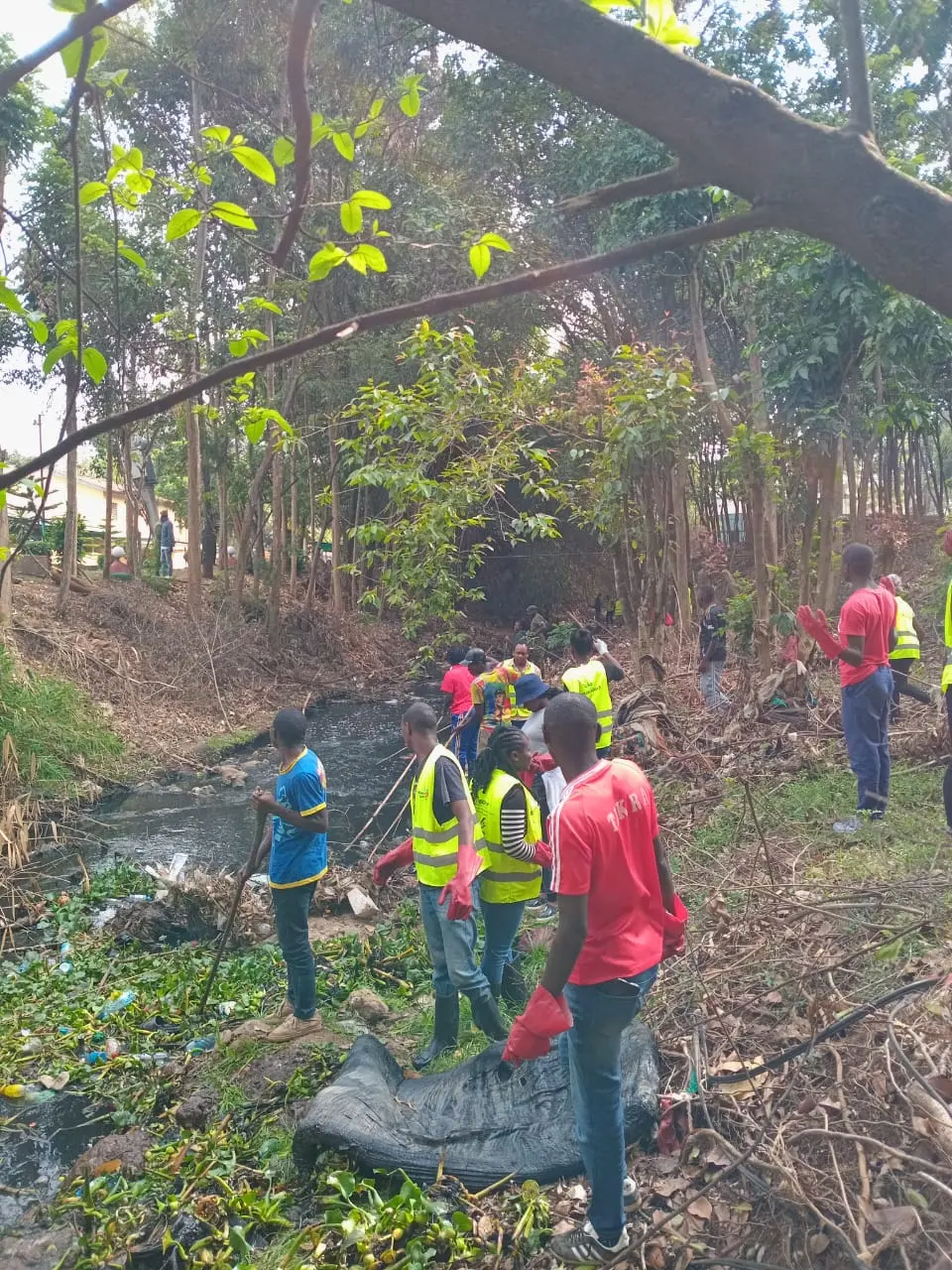
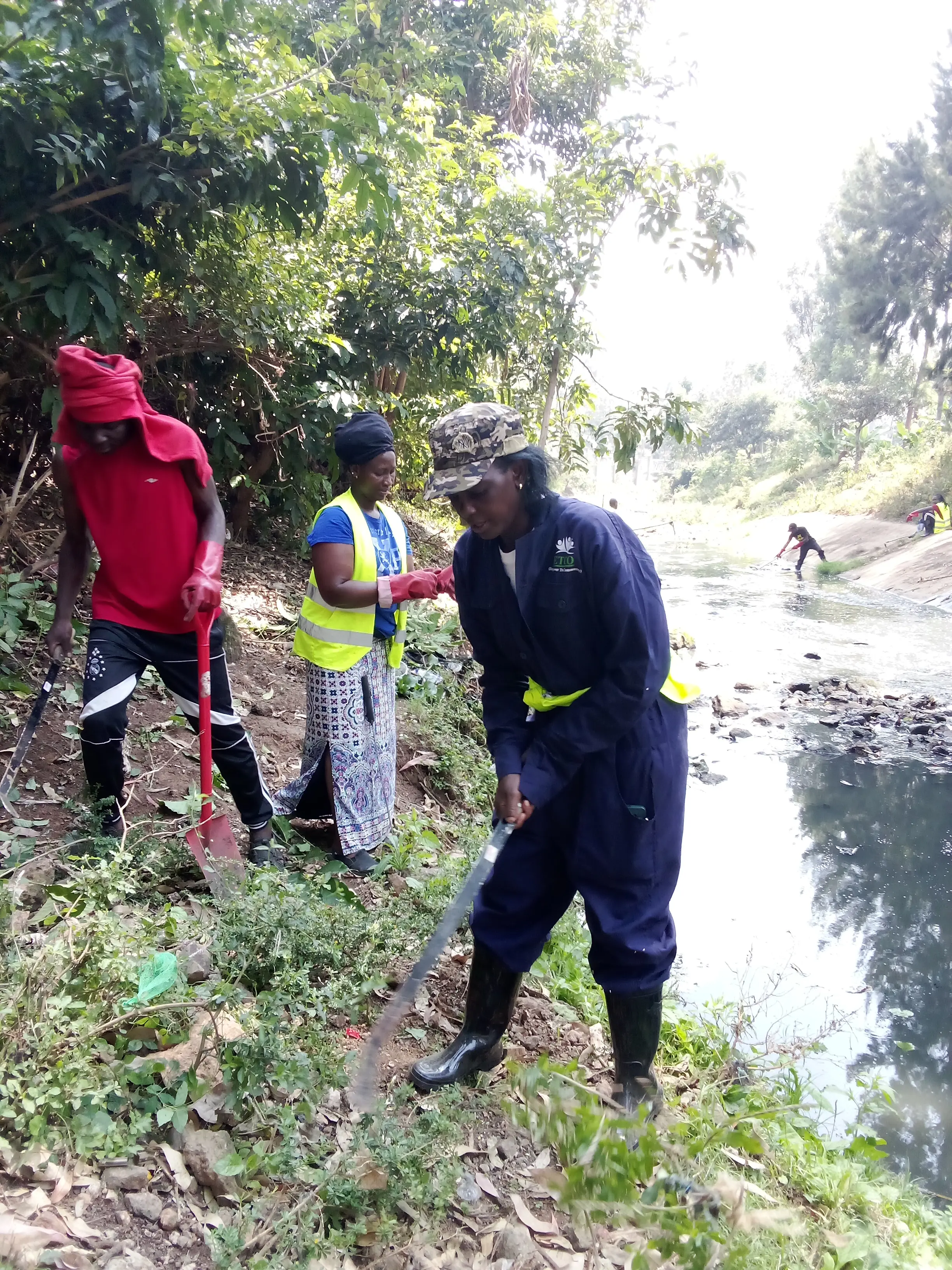
We organise clean-ups in different corners, rakes scraping packed soil, children assigned to bag what adults overlooked. Dirt, handled well, becomes fertiliser — compost for sacks of kale beside a wall.
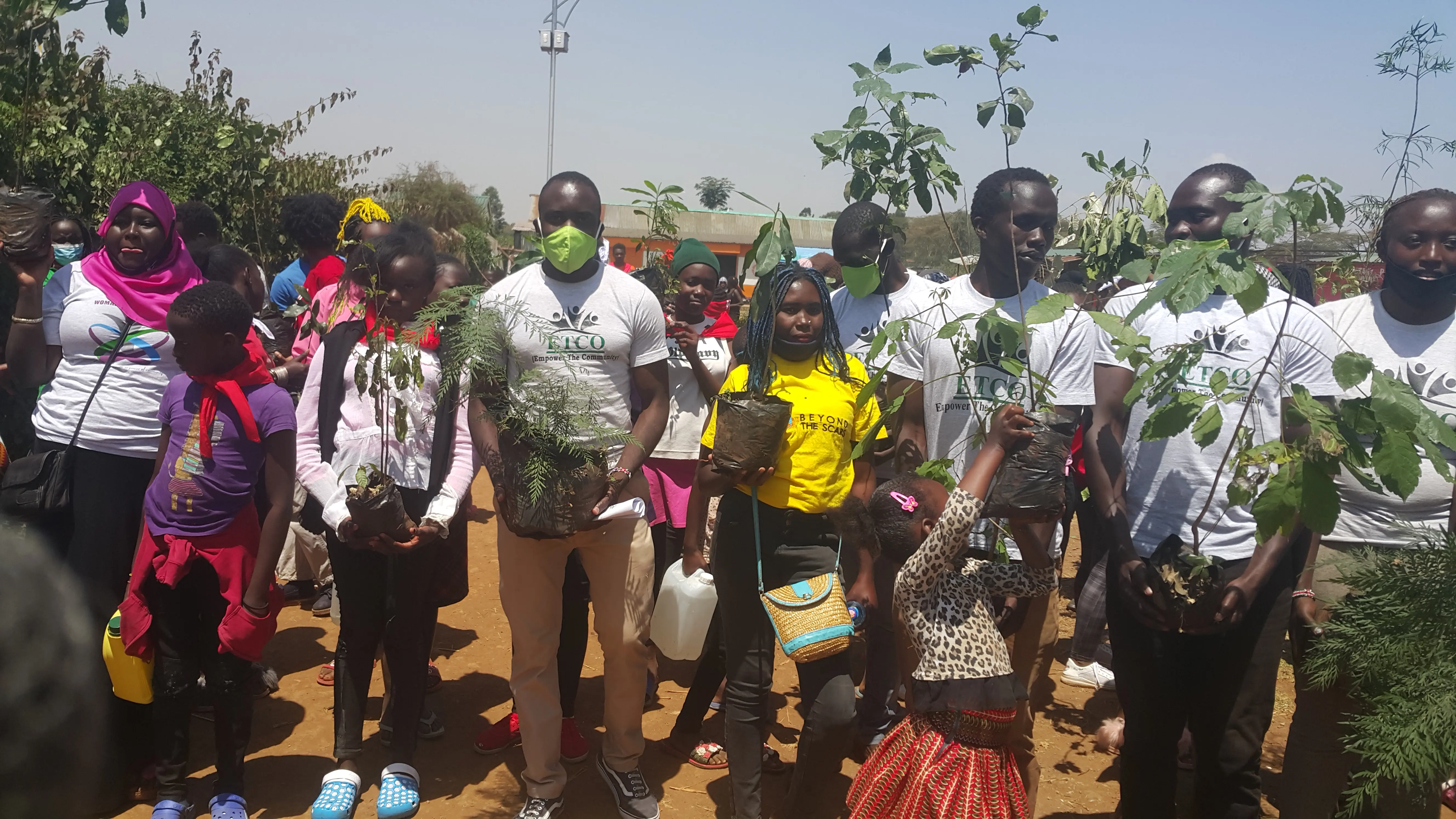
We partner with environmental groups for tree planting in schools and for sweeping streets where drainage is a community project, not a city promise.
We talk to families about using small plots for urban farming — beans climbing a fence, spinach in a basin — food security that fits a renter’s life.
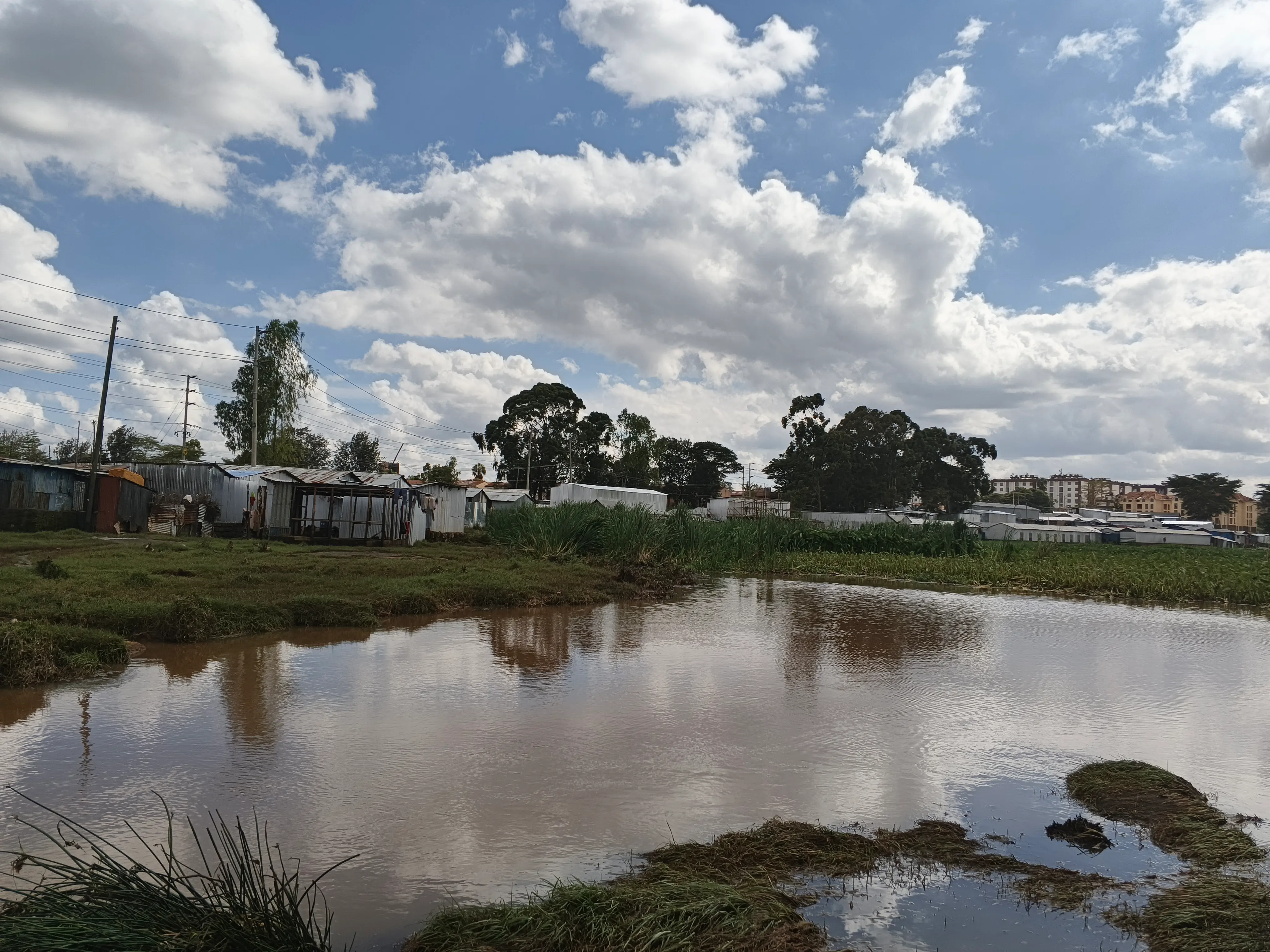
Nairobi Dam
Our environmental team has drafted a plan to support reclaiming Nairobi Dam — stopping solid waste upstream before it becomes poison, and creating jobs for people who will maintain what we clean. Join a clean-up, fund a rake, plant a tree — the city’s water remembers every shortcut we take.
The dam is not a postcard; it is a catchment for everything Nairobi throws away when nobody is looking. Stopping waste upstream is work for hands, not slogans — and we are recruiting both.