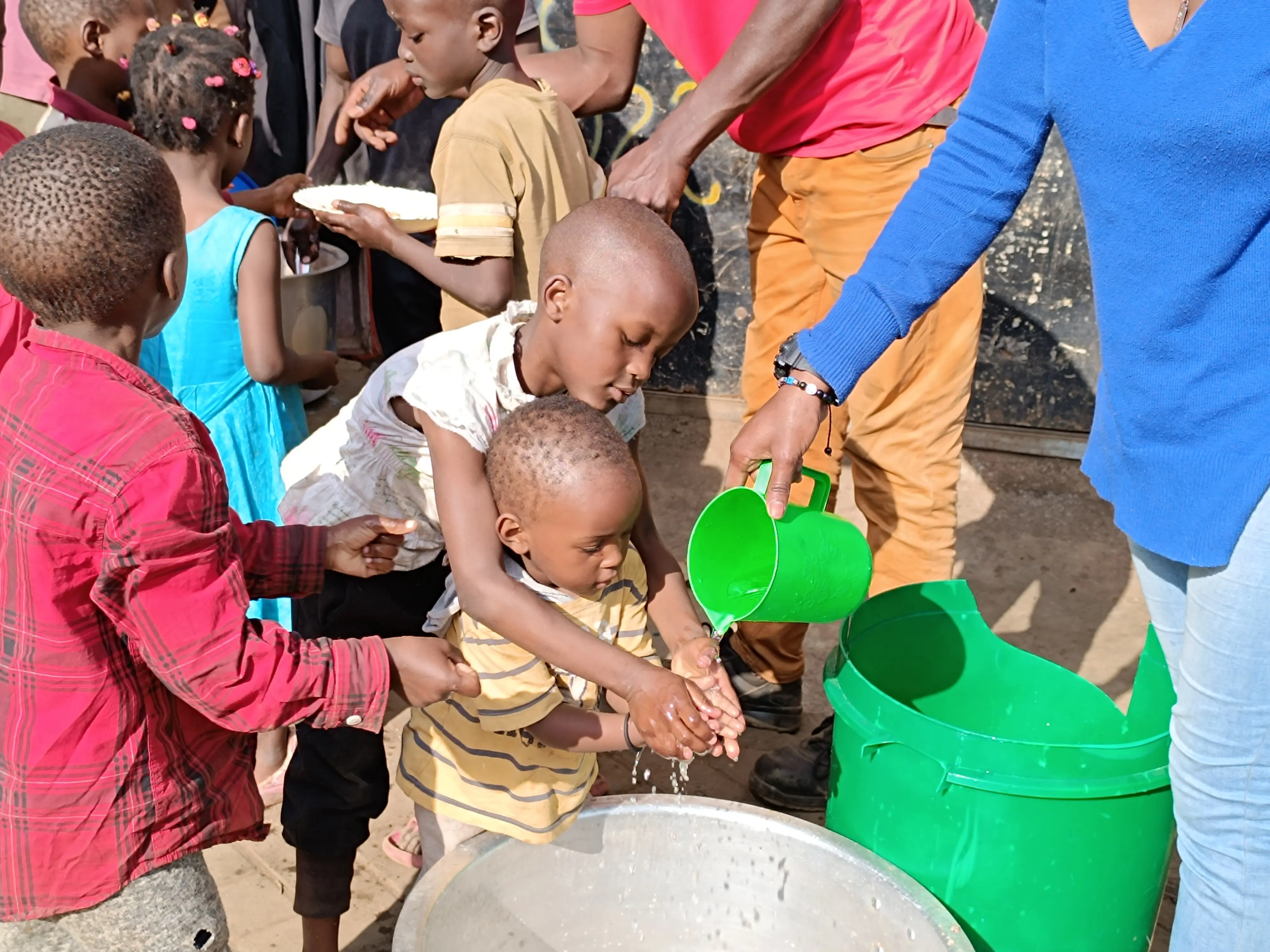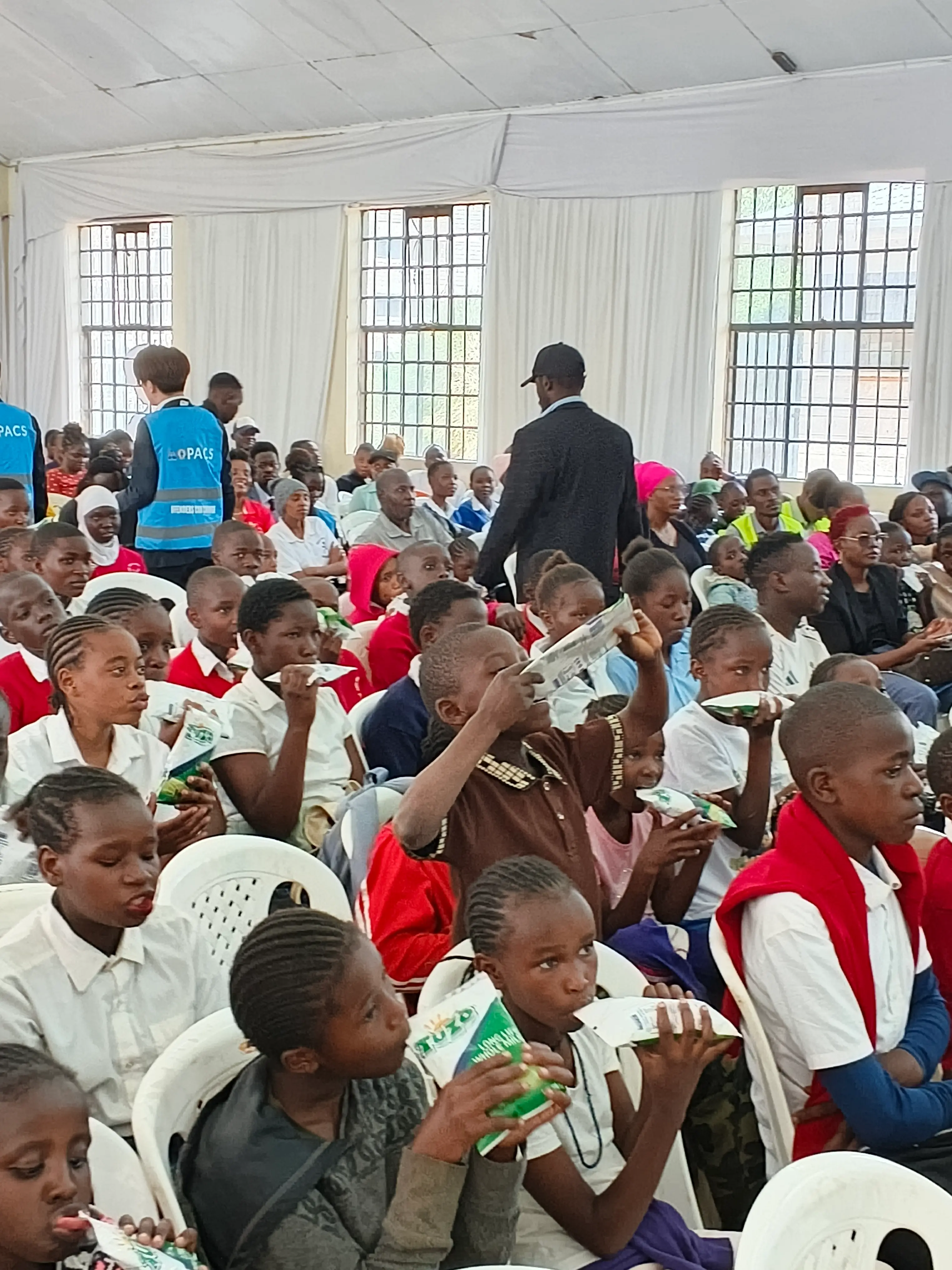
Every Saturday, our Children Empowerment Programme fills the compound — at least 200 young people between nine and nineteen — with games, questions, and the low murmur of teenagers pretending they are not listening.
The gate opens to a chorus of greetings — “mzungu” jokes, shy handshakes, someone’s little brother dragging a plastic sandal. By nine, the yard is a patchwork of ages and attitudes, all of them hungry for something more than food.
Facilitators know the drill: start with respect, end with truth. A child who will not look at you in minute one sometimes asks a question in minute forty that breaks your heart cleanly.
We invite different facilitators each week: someone to speak about health, someone about anger, someone who simply tells the truth about failing exams and standing up again.
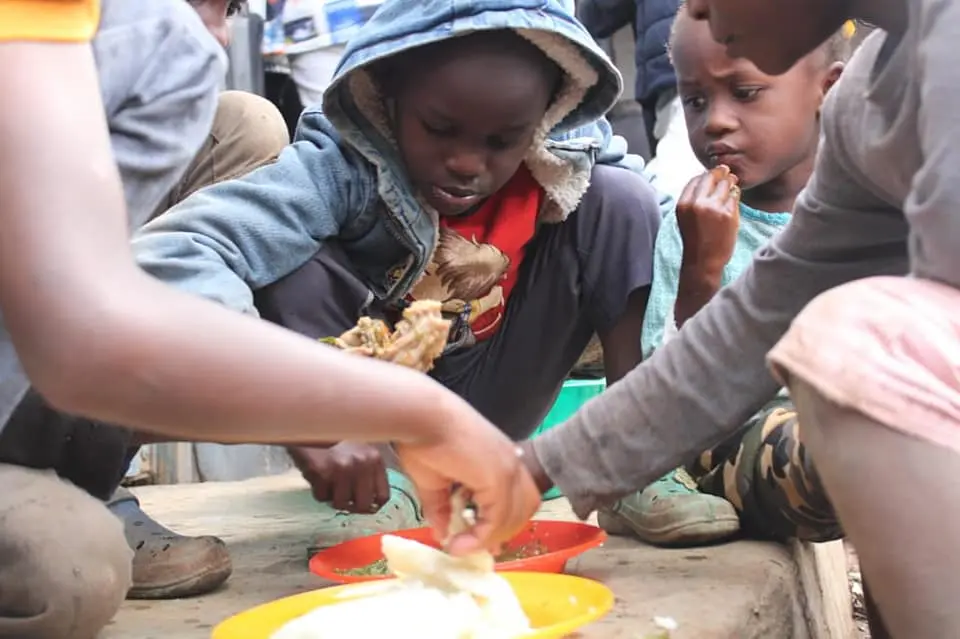
Then there is food. For many children, school used to carry the only sure meal of the day; when public schools in Nairobi County lack a food budget, weekends become a long bridge.
We learned that some children eat once daily — sometimes only what we cook on Saturday — and we refuse to treat that as normal. Gathering them is not babysitting; it is a fence against peer pressure, early pregnancy, substance abuse, and the small crimes born of empty hours.
Starting in Kibera, reaching outward
We began here, in Kibera’s noise and generosity, and we plan to adapt the model for other informal settlements — same honesty, local leaders, local menus. Partner with us for ingredients, transport, or a facilitator’s stipend; you will see the receipts in full bowls and fuller voices.
When schools reopen fully, we will still be here — because Saturdays were never a stopgap; they are a rhythm. Help us keep the sufuria deep enough for every child who comes back.