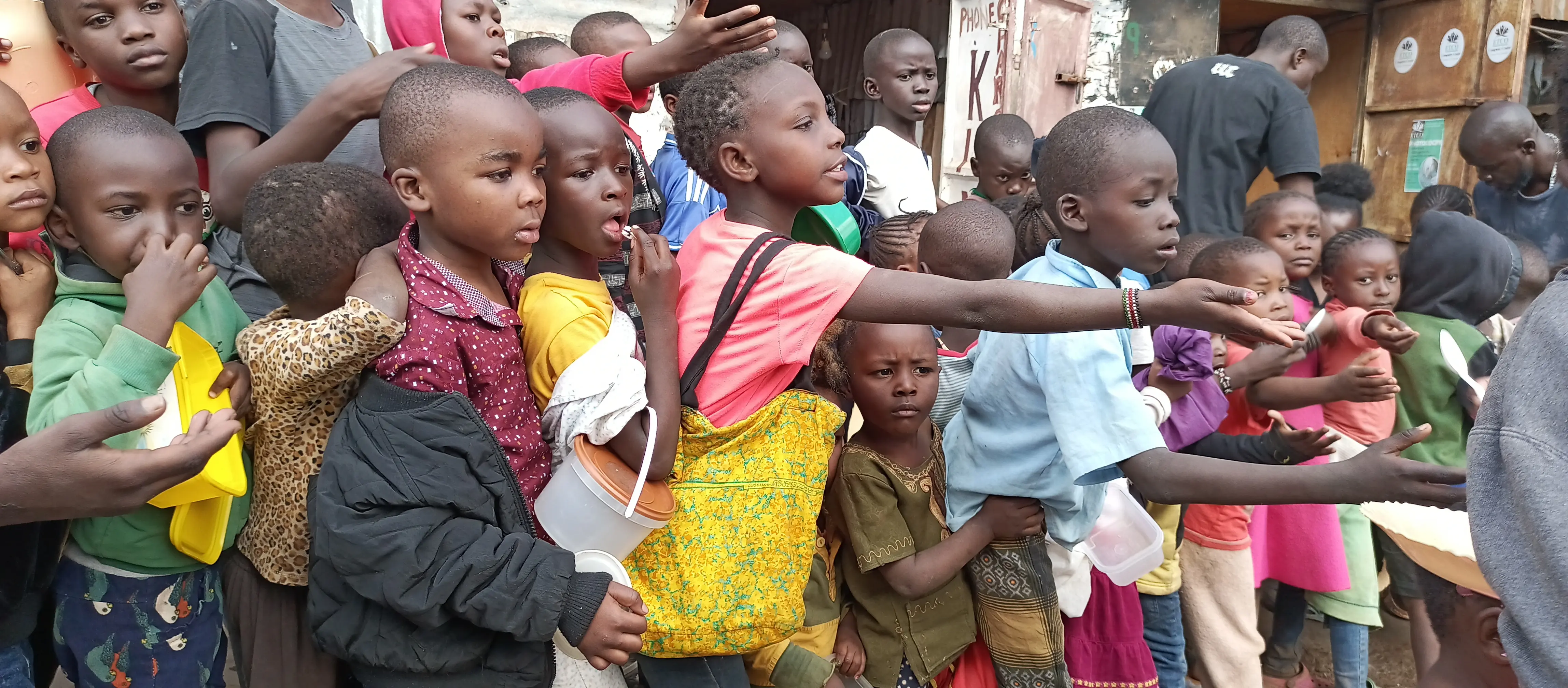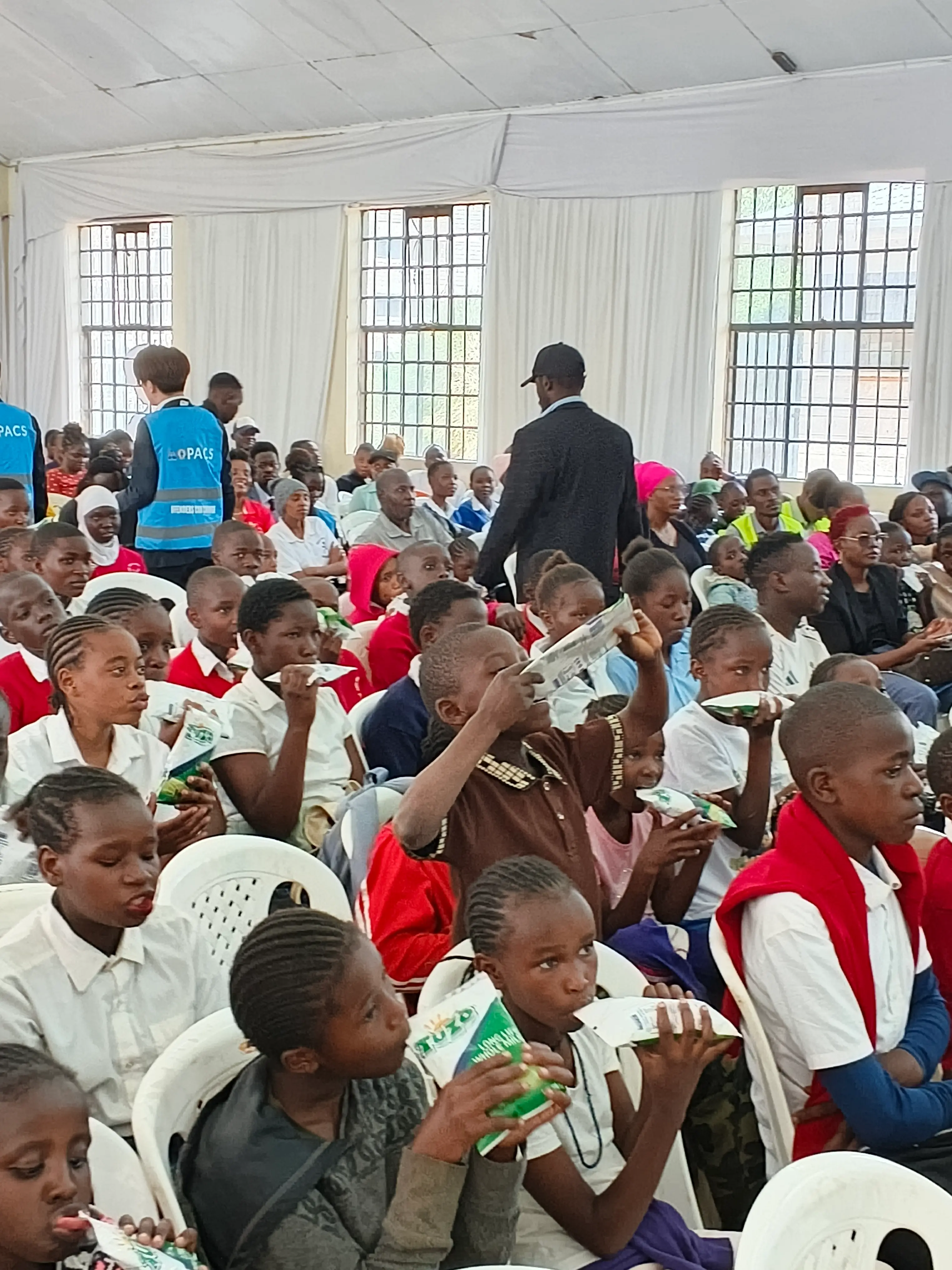
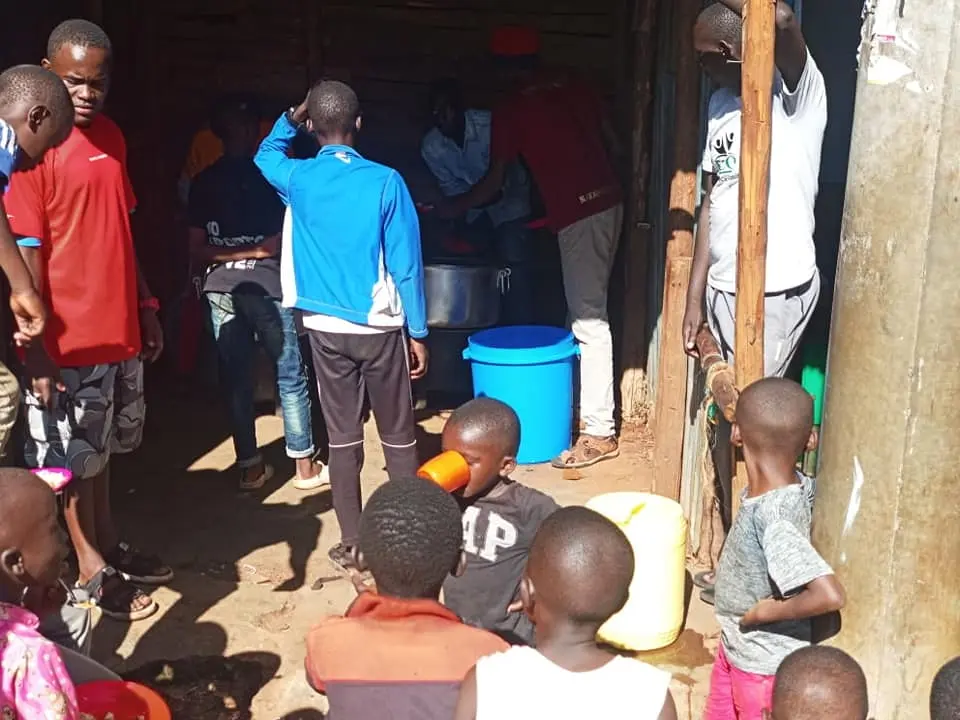
When schools shut, Saturdays became louder. The children did not vanish; they multiplied — from about 200 to nearly 300 at Feed a Kid Saturday once we settled into our office space.
The first Saturday at the new office felt like moving house in public — chairs scraped, volunteers called names twice, someone’s shoe got stuck in the mud at the door. By the second week, the lane already knew our rhythm.
Three hundred children is not a round number; it is three hundred mouths, three hundred stories, three hundred chances for a quarrel in a queue — which is why monitoring matters as much as menus.
More children means more than bigger pots. It means life-skills talks that keep pace with curiosity, careful monitoring so no one slips through unseen, and non-food basics — soap, a sweater when June cold bites, a notebook when school returns.
What humbles us is how children map us. Even when we shift location, they do not scatter. They stay within earshot of the ETCO door, as if proximity is its own safety.
Why we keep showing up
That loyalty is not sentimental; it is need. A Saturday plate can steady a week that starts thin. We are reaching out to facilitators, partners, and sponsors who can walk beside us as numbers climb — not as saviours, but as neighbours who understand Kibera’s maths.
If your organisation trains mentors, if your church can spare a morning, if you can donate sacks of maize — we will put it to work where the queue is already forming.
Supporters who give in kind, in cash, or by sending a friend to see the work — you widen the circle. We are not scaling vanity; we are scaling plates, and every extra plate arrives with a child who already believes we will open the door.