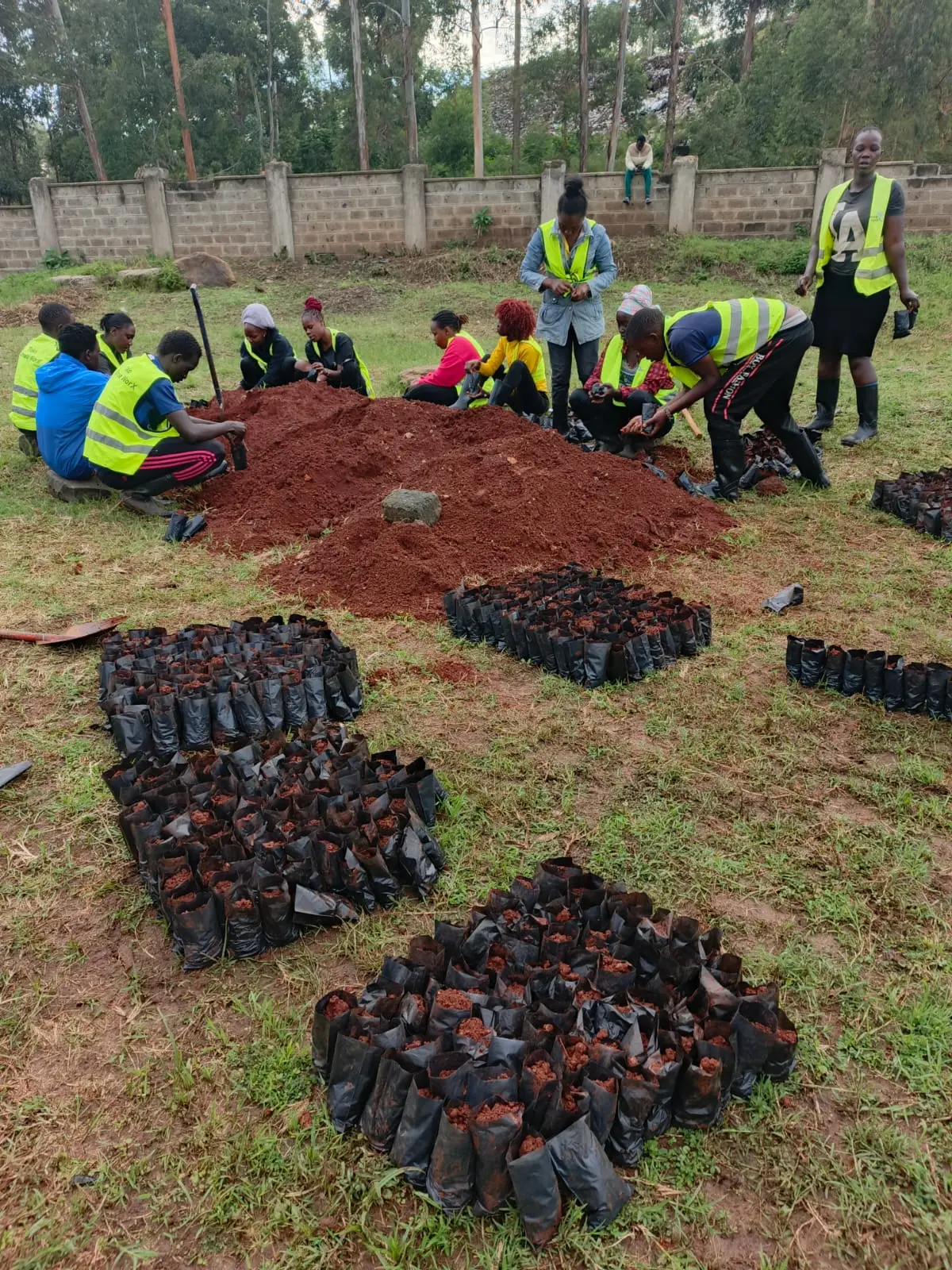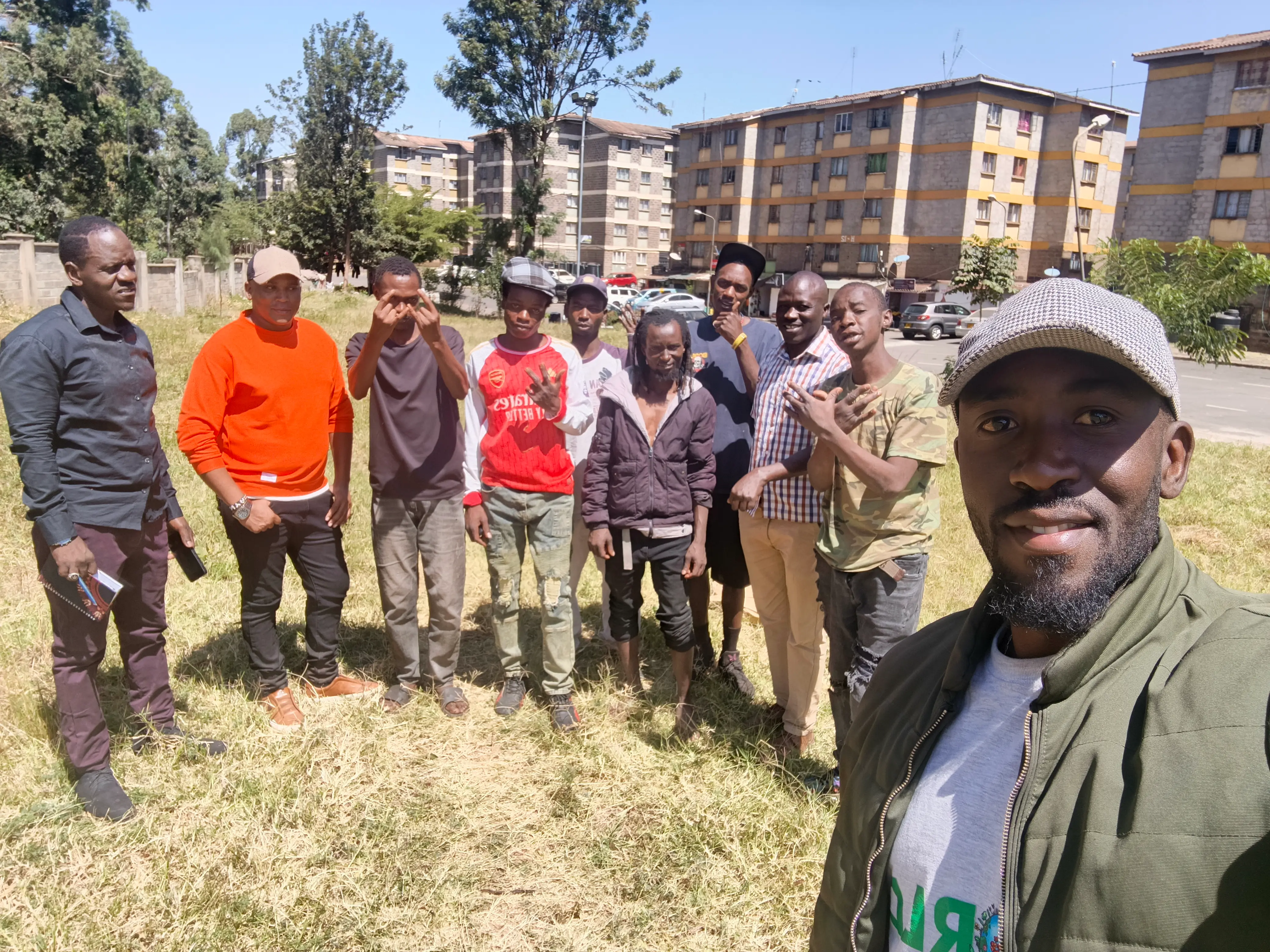
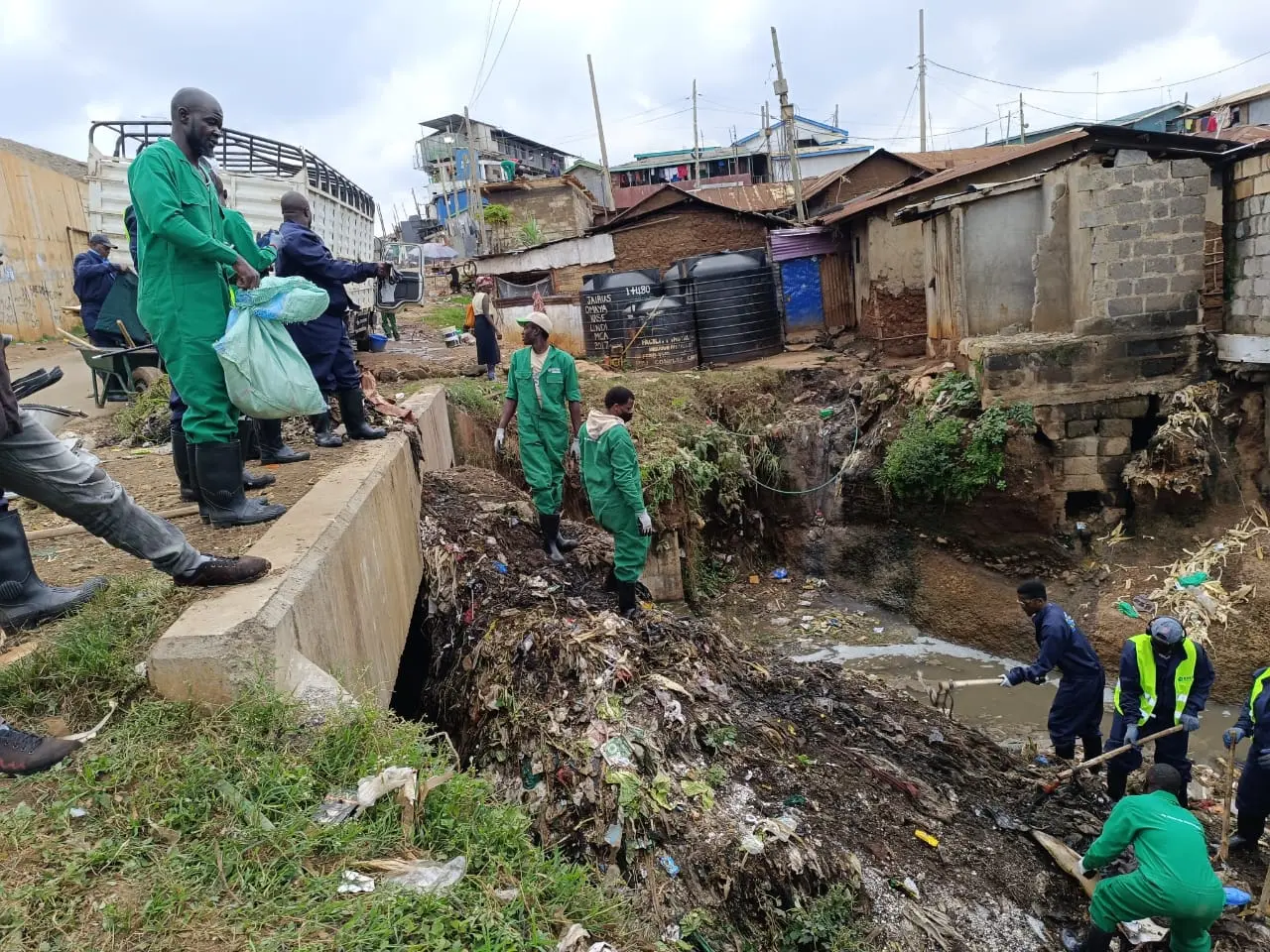
On the third day along the Ngong River, the work felt familiar in the shoulders — the same bend, lift, drag — but the river never repeats itself. In Mashimoni, at the bridge by Highrise Estate, and out toward Nairobi West, teams moved head to head with the rubbish that catches in bends.
Mid-morning sun turned the water to dull silver; flies rose in clouds from black bags. You do not forget that sound — plastic tearing, someone joking to keep courage up, a child watching from the bank with school shoes in hand.
ETCO keeps notebooks as well as shovels. Each cleanup teaches us what lasts: where informal dumps return, how volunteers tire, which partners stay when the smell gets personal. Sustainability is not a certificate on a wall; it is whether we come back next month when the plastic floats downstream again.
The short brief from day three said little; the river said plenty. We are learning to manage what we have — gloves, time, fuel — so the next push is smarter.
Someone asked what impact means in plain Kibra talk; the answer was a cleaner bend you can point to without lying — and legs that will ache tomorrow.
We packed tools while the city's rush hour pretended nothing had changed — matatus honking, hawkers shouting — but our shoulders knew otherwise.
If you live along these tributaries, help us guard the gains: report dumping, join a sweep, teach a child that a bottle in the ditch becomes everyone's problem at the next rain.