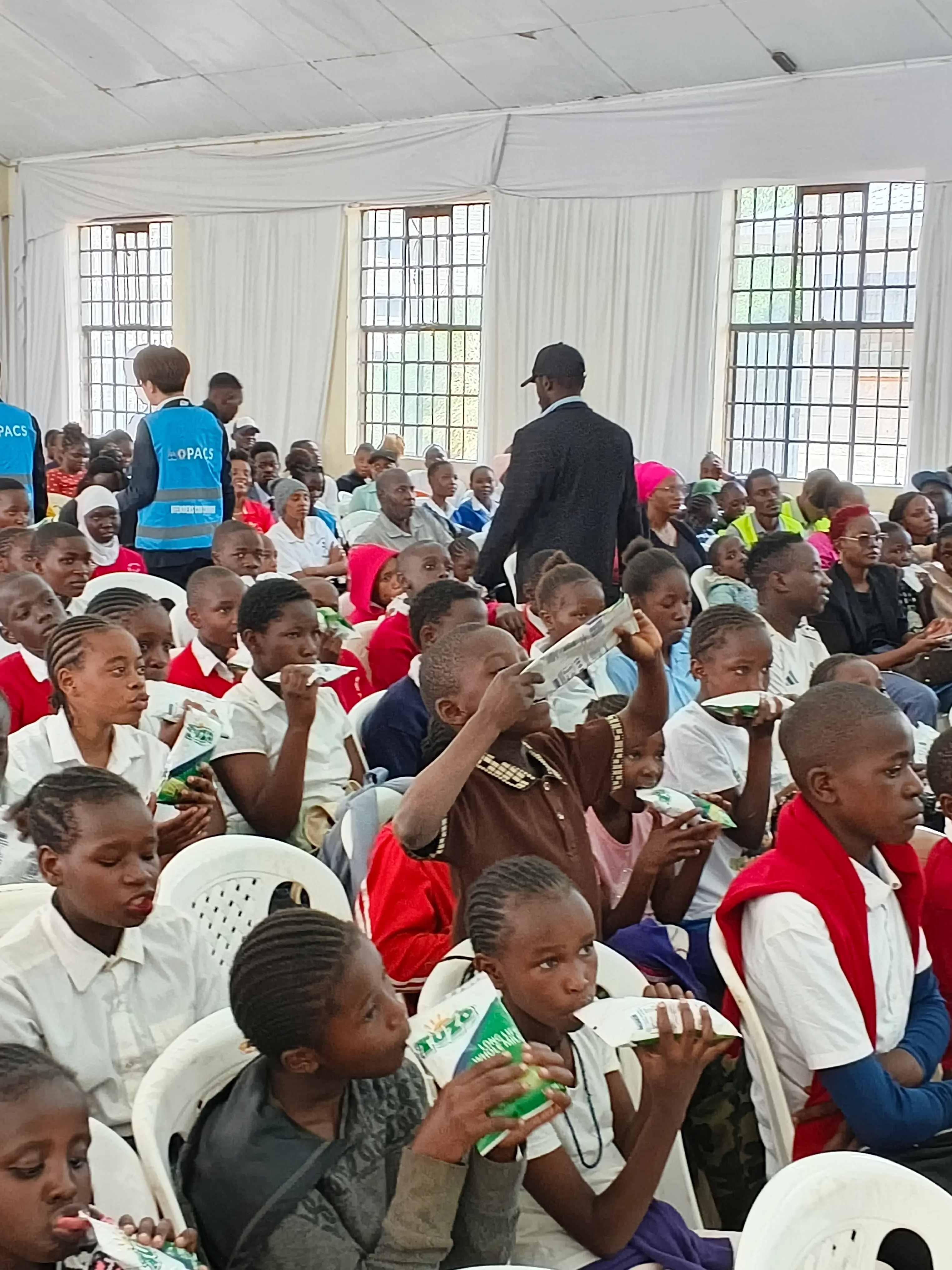

Early Lunch and rainy weather

Some children drift toward the ETCO office the way others drift toward a favourite auntie’s house — not because a poster told them to, but because here there is food, familiar faces, and time that does not feel borrowed. On a wet week, that second-home feeling matters more.
Rain pushes everything earlier: lunch before the heaviest drops, games squeezed into dry windows, tarps checked like a ritual. We mostly work outdoors, so schedules bend with the sky — an honest compromise when the ground turns slick and the cold bites harder after sunset.
Children treat the office like a second home because consistency is rare — a roof that does not leak every day, adults who remember names, a place where being small is not a problem to solve. They drift in even when there is “nothing planned,” which tells you what kind of week they are carrying.
We still want your company — teach a song, bring a ball, help serve while the light holds. Early lunch beats a soaked evening queue.
Rainy seasons also mean mud caked into everything — floors, socks, the hem of a school skirt — so we keep soap where hands can find it. Small dignities matter when the weather tries to make people feel small.
When we shift lunch earlier, we are also protecting volunteers who walk home before paths become risky — care has to include the people serving, not only the children eating. Ask us the week’s schedule before you visit; we would rather you arrive dry and useful than heroic and soaked.
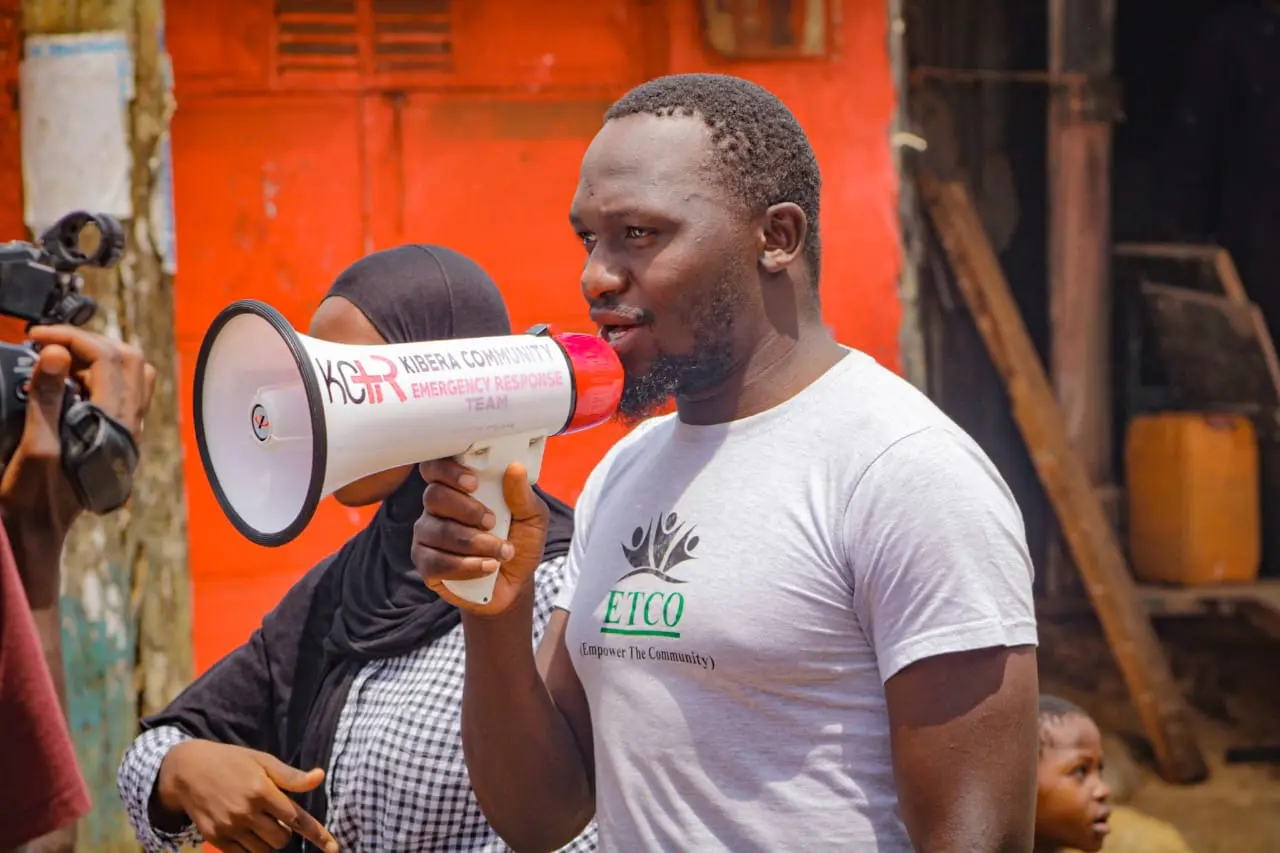
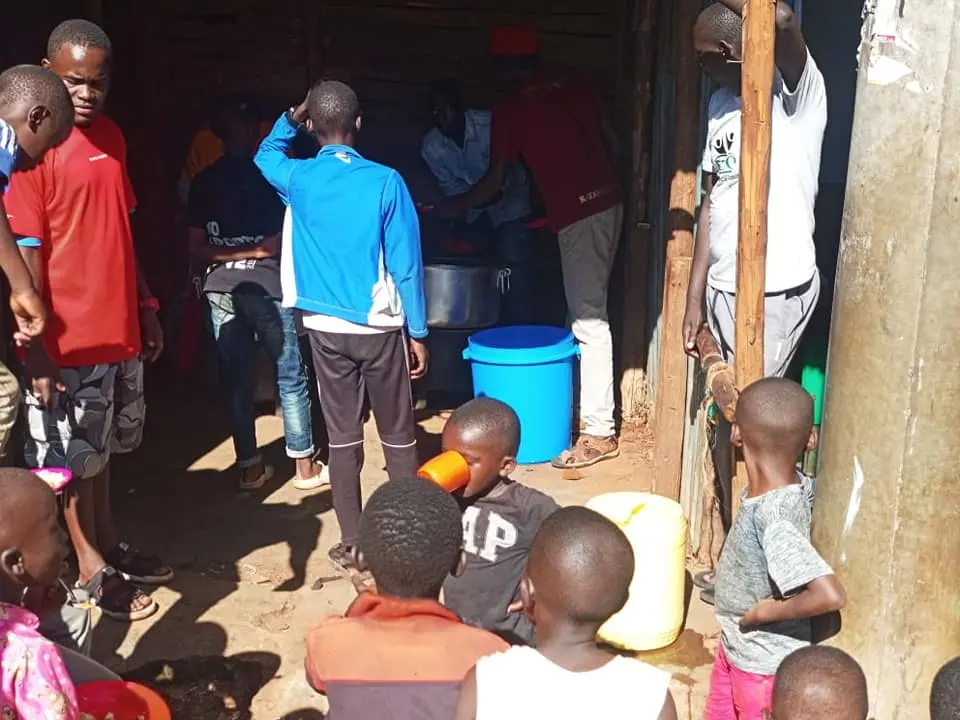
Project Site Visit by Rotary Club of IPSWICH (USA) and Kikuyu (Kenya)
It was a great and engaging day of partnership and learning as we hosted the International Rotary Club of IPSWICH team, led by Environmental Lawyer Chris and his wife, Jane, Former President of Rotary Club of Kikuyu Hon. George Ngotho and Rotarian Yumbya for a visit to our project implementation sites. The visit provided an opportunity to review the project areas on the ground, discuss implementation priorities, and strengthen our shared commitment to sustainable environmental and community development. We also had the opportunity to visit the Nairobi Rivers Commission (NRC), where we were hosted by Commissioner Dr. Loice Kipkorir, a member of the Ngong River Committee. We explored opportunities to strengthen collaboration and align our work with the Nairobi Rivers Commission's Restoration Framework.

Community Capacity Building Training
We are currently participating in the ongoing PROVE (Public Space Governance Research, Observation, Validation and Experimentation) Pilot Programme, a four-month initiative by Public Space Networks (PSN) bringing together 11 community groups from Kamukunji and Korogocho. The programme focuses on strengthening community organizations’ capacity to manage, protect and improve public spaces as well as restoring rivers and it's ecosystems. The ongoing capacity-building training is helping CBOs and community organizations better understand the connection between public spaces, river restoration and ecosystem conservation, while exploring practical approaches and stronger collaboration among communities, government agencies, development partners and other stakeholders.

High Level NRC & Development Partners Meeting
Representing the Ngong River Regeneration Network, I'm having the privilege of attending a high-level breakfast meeting convened by the Nairobi Rivers Commission (NRC) in collaboration with the Kenya Permanent Mission to UN-Habitat. The meeting has brought together Development Partners, Government Agencies, Private Sector representatives, and Community representatives to deliberate on the restoration and sustainable management of Nairobi’s rivers.