Day four was meant to be straightforward: load waste from temporary piles and let the lorries take Kibera's rubbish to Dandora. Nairobi had other plans. Trucks slipped on timing; phones buzzed with apologies; sites waited in the heat.
When the first lorry reached Nairobi West around 2 p.m., crews moved fast — roughly ninety minutes to load and send wet, heavy bags on their way. Relief, but not rest.
Frustration and logistics are part of the story too. Communities watch waste sit longer than it should; tempers shorten when the smell climbs into kitchens. We name that because pretending otherwise would insult everyone who waited in the heat.
By ten at night in Mashimoni, Laini Saba Ward, headlamps bobbed along narrow paths. Our volunteers, with PAKPRO and KEPRO, worked the kind of shift that does not make Instagram: five hours, two trucks, backs bent, eyes stinging from smoke and dust. Morning came too soon — Mbagathi, Highrise, Seafar were waiting.
What five days moved
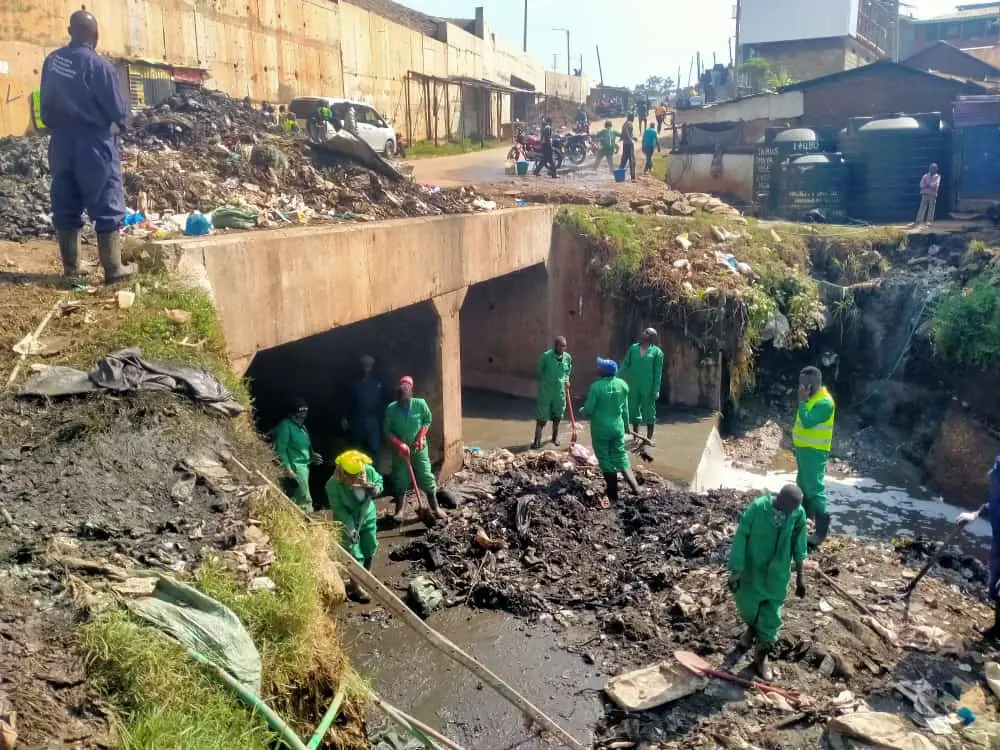
Across three areas, 68 community members earned wages for five days of hard labour. We cleared roughly 700 metres of river channel. The scales read seven tonnes of wet waste and two tonnes of dry — small numbers on paper, enormous when you are the one lifting.
Planned for three days, the exercise stretched to five days and one long night. We thank PAKPRO and KEPRO for staying when it would have been easier to reschedule. Rivers do not unclog on polite timelines — #LetTheRiversFlow.