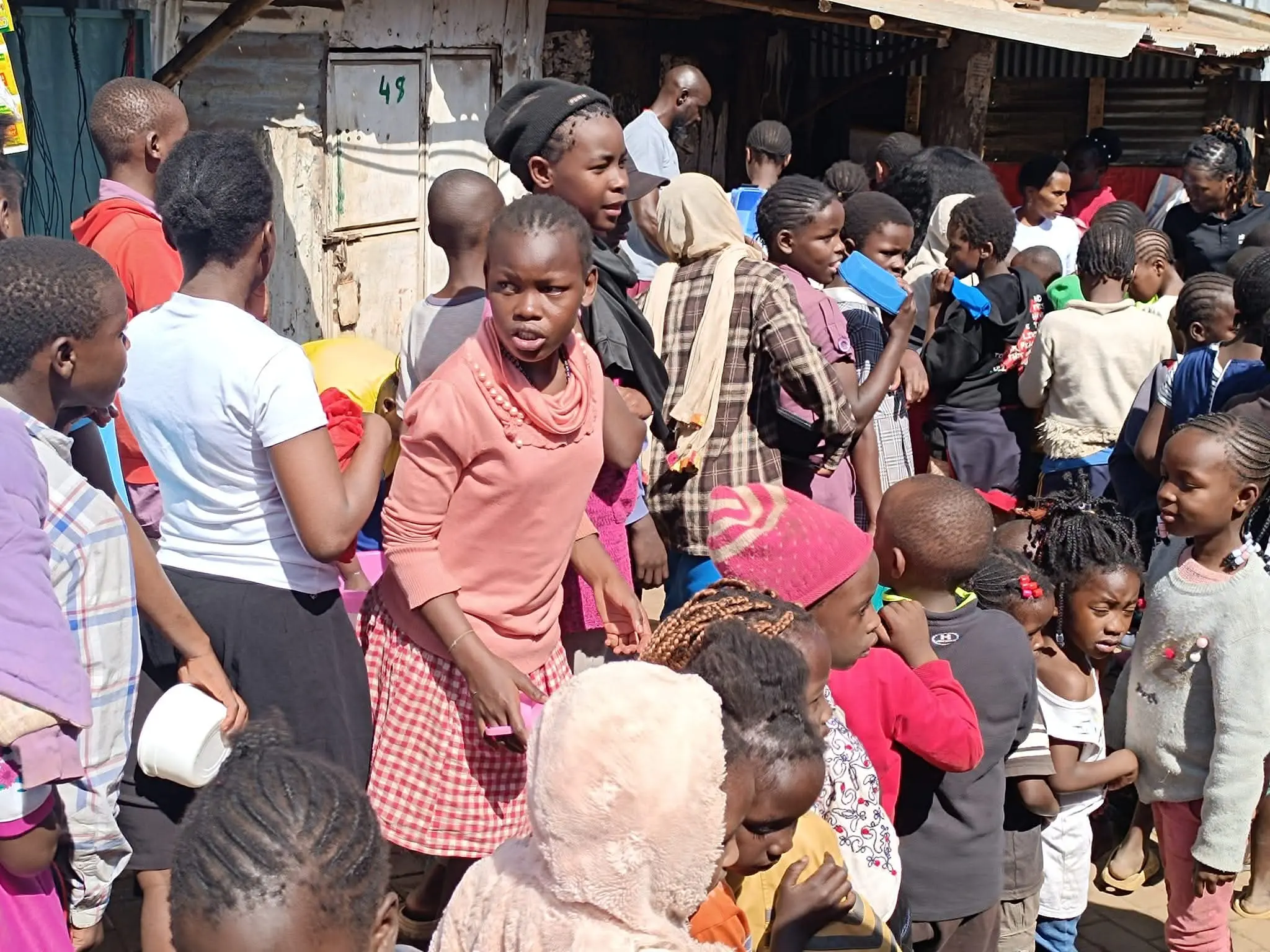
Some families in Kibera do not lack love. They lack margin — a few hundred bob that disappears between rent, medicine, and a child asking for an extra book at school. When the month tightens, food is the first thing that gets negotiated in silence.
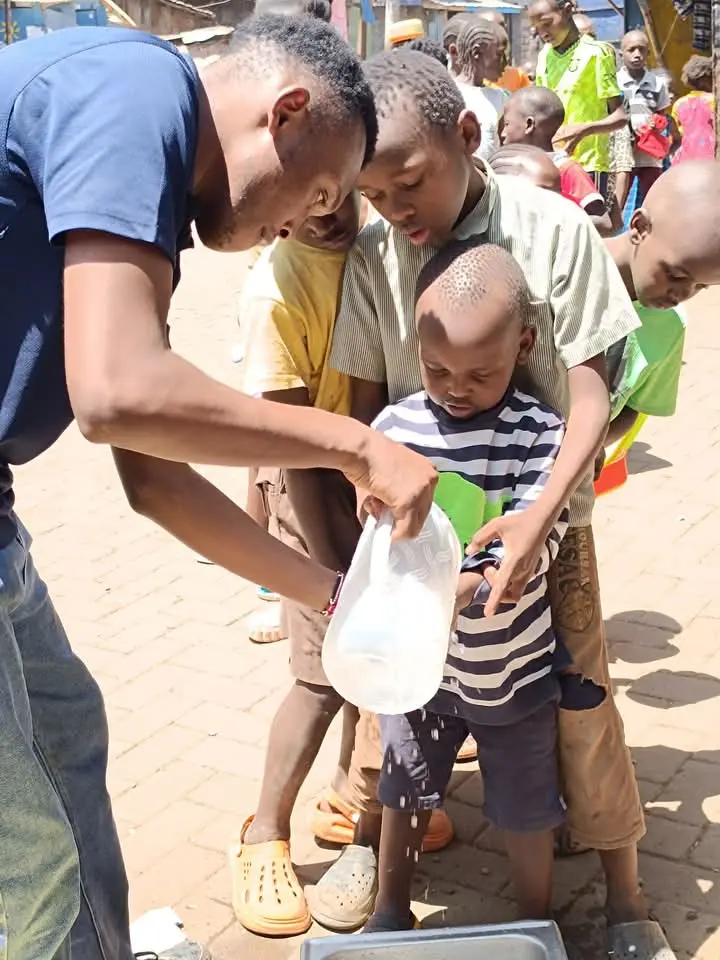
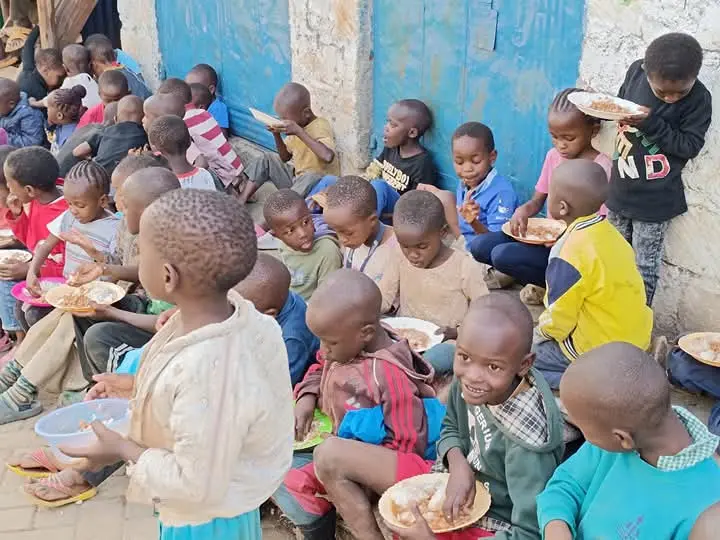
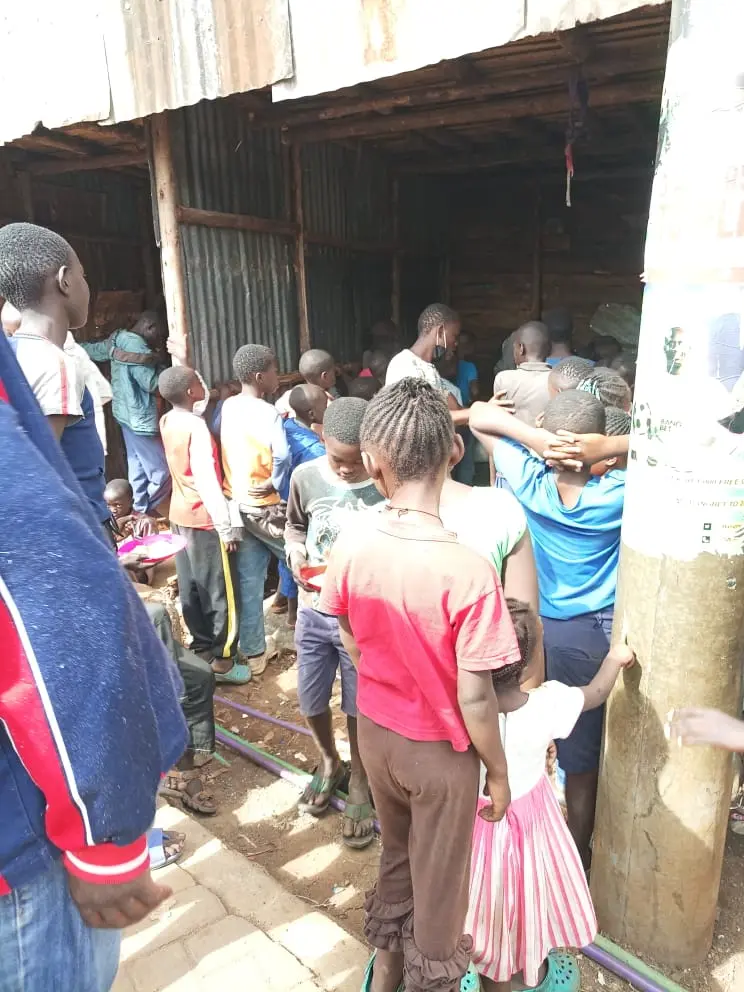
We keep Saturdays simple on purpose: rice, beans, a safe place to be. We cannot solve every reason hunger exists — fragile roads in other counties, conflict far away, climate shifting seasons — but we can name what we see here: unemployment that bites, stress that turns into quarrels, young people asked to be adults too early.
In Kibera, a bad week shows up in skipped meals before it shows up in headlines. That is why one child fed today still matters — it is not the whole solution, but it is a true thing in a week full of half-truths.
If you cannot feed a hundred people, feed one child — then another next week. Scale is not always a crowd; sometimes it is faithfulness. A donor who sends KSh 500 regularly does more than a headline that forgets by Tuesday.
We are not comparing Kibera to every crisis on the map — we are saying hunger has local faces: a boda rider whose client cancelled, a widow whose casual job ended, a teenager carrying marks that do not match their hunger. Your help lands in those specific stories.
Walk with us from one plate outward. That is how a neighbourhood learns it can carry its own children — not perfectly, but honestly.