
Nairobi Dam/Reservoir Conversation Project - Stage 1
Restoring Nairobi's Lost Reservoir
Built in the 1950s, Nairobi Dam was once a source of clean water and a hub for recreation — sailing, swimming, and fishing drew residents from across the city. Over decades of neglect, uncontrolled waste, and rapid informal settlement growth, the dam and its tributaries have deteriorated into a public health hazard. ETCO's Nairobi Dam Conservation Project is working to reverse that decline.
The Problem
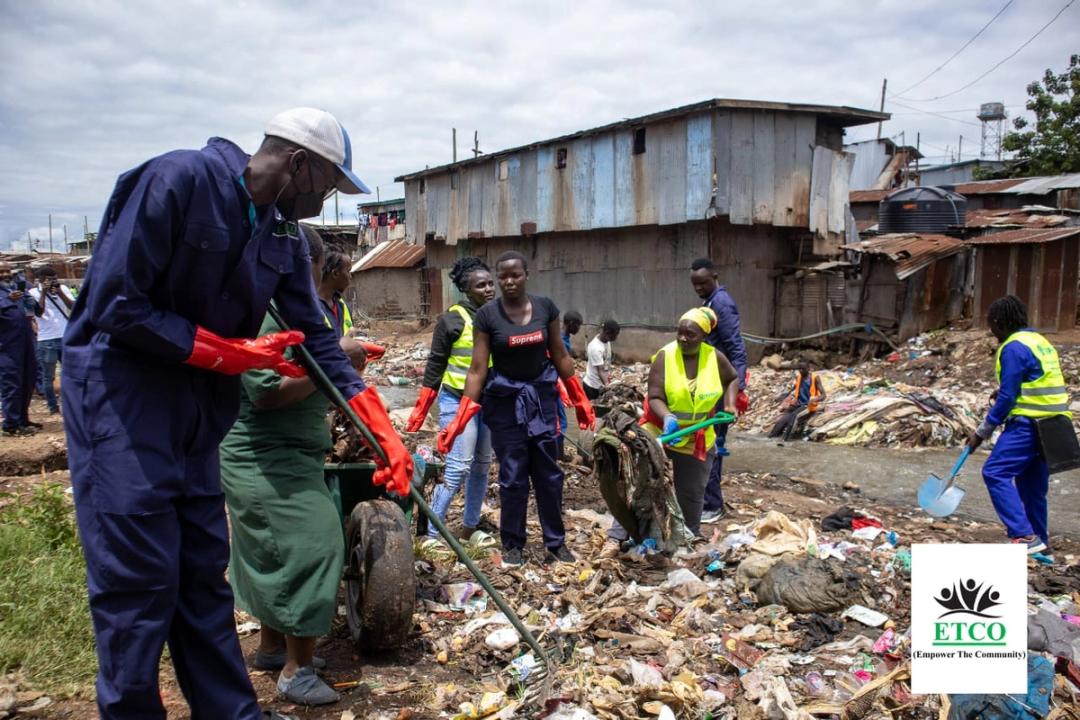
The dam and its tributaries are choked with solid waste, much of it flowing downstream from Kibera and surrounding settlements. Regular flooding, disease outbreaks including cholera, malaria, and bilharzia, poor water quality, and unsafe bridges are the visible consequences. The Ngong River corridors have become danger zones during heavy rains — destroying homes, displacing families, and claiming lives.
This is not just an environmental issue. It is a public health emergency, an economic burden, and a daily threat to the safety of thousands of residents living along the waterways.
Our Approach
ETCO's project takes a phased, community-led approach to restoring the dam and its tributaries, combining practical cleanup work with awareness campaigns, institutional partnerships, and long-term sustainability planning.
Community Mobilisation and Cleanup
We organise regular cleanup events along the Ngong River and its tributaries, engaging community members, youth groups, and partners in systematic waste removal from riverbanks and waterways. These are substantial operations — on one occasion, a planned three-day cleanup stretched to five days and a night as volunteers and partners cleared clogged stretches across Kibera, Highrise, Seafar, and Nairobi West.
Through the Ngong River Regeneration Network Zone 2 and Climate Worx Mtaani, we train and engage youth cohorts in waste management and conservation, providing skills, tools, and meaningful employment while restoring the river.
Partnerships and National Recognition
The project has attracted significant institutional support. ETCO works alongside the Nairobi Rivers Commission, Ecologists Without Borders (EcoWB), Power Engineers, UN-Habitat, the German Embassy, KEPRO, PAKPRO, and numerous local community organisations. Our CEO Collince Onyango has met with NRC commissioners and Lang'ata MP Phelix Odiwuor (Jalang'o) to reinforce that clean rivers and local jobs belong in the same conversation.
On 10 March 2025, President Dr. William Ruto launched the Nairobi Rivers Regeneration Project at Kamukunji Grounds — mobilising government, the Nairobi Rivers Commission, counties, donors, and communities for large-scale river restoration. ETCO's years of grassroots work along the Ngong River contributed to the momentum behind this national initiative.
The Tree Nursery
At Nairobi Dam Park, ETCO has established a tree nursery in partnership with the Kenya Forest Service and the Lang'ata Local Water Forum. With 20,000 potting bags received from KFS through Officer James Mwangi, we are scaling seedling production for replanting along riverbanks and eroded areas — combining erosion prevention with community greening.
Waste Trap Infrastructure
Working from engineer designs, we plan to install concrete barriers with fibre nets along key tributaries to capture solid waste upstream before it reaches the dam. Temporary waste disposal points will be established at strategic locations in Kibera to improve collection at source.
What Success Looks Like
- Cleared tributaries that allow water to flow freely, reducing flooding and backflow
- Reduced disease outbreaks linked to stagnant, polluted water
- A restored Nairobi Dam that can support recreation, tourism, and community use
- Trained youth with skills in waste management, conservation, and environmental monitoring
- A replicable model for river restoration that can scale to other Nairobi waterways
ETCO's Nairobi Dam Conservation Project is more than environmental cleanup — it is a vision for what Kibera's waterways could become when communities, government, and international partners work together with sustained commitment.