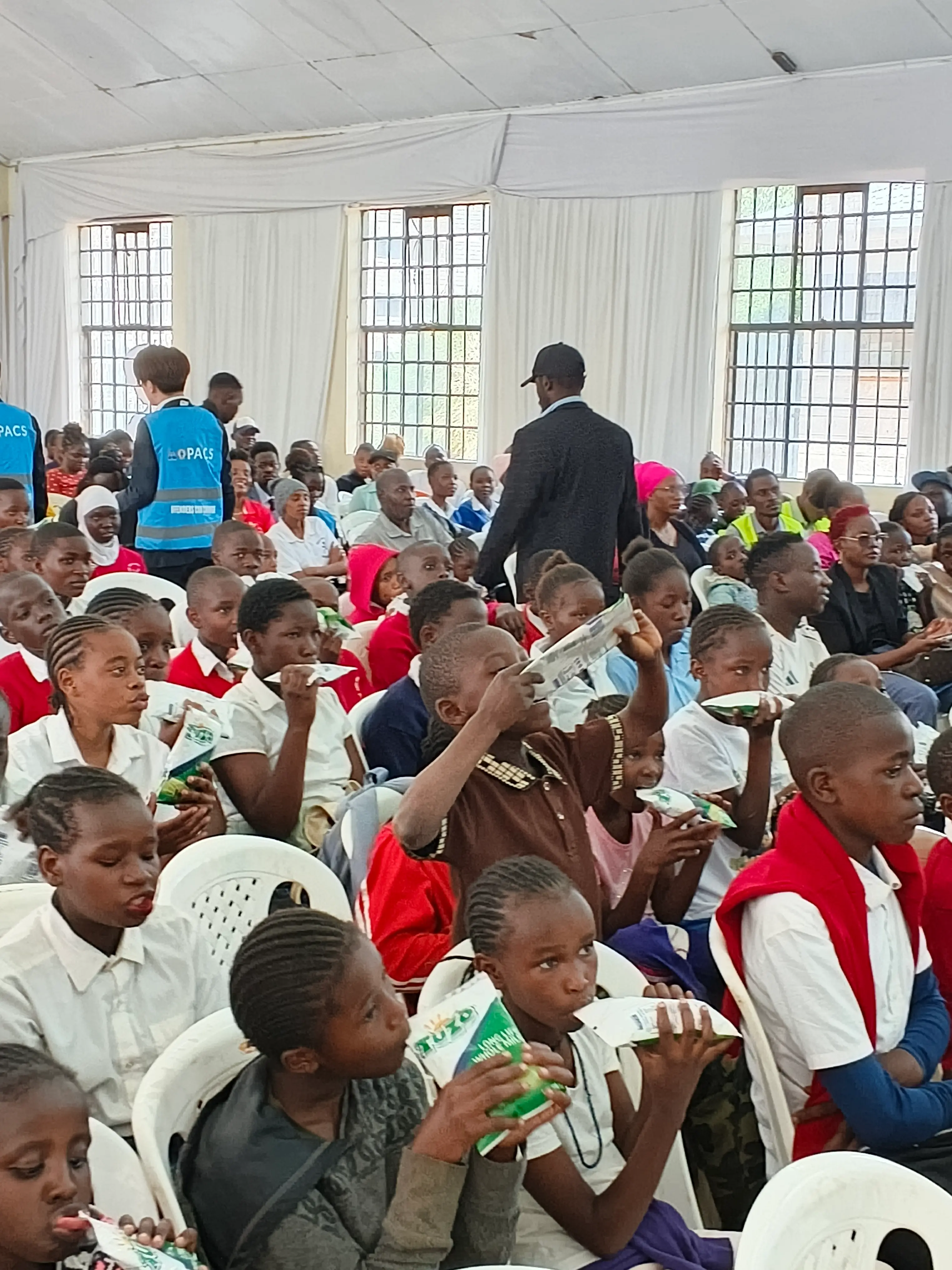
Week four felt like a kitchen and a classroom sharing the same roof. Visitors came with more than donations—they brought lessons: how to speak up, how to plan a week, how to care for money and health in ways that fit real Kibera life, not textbook advice that assumes you have spare rooms and steady salaries.
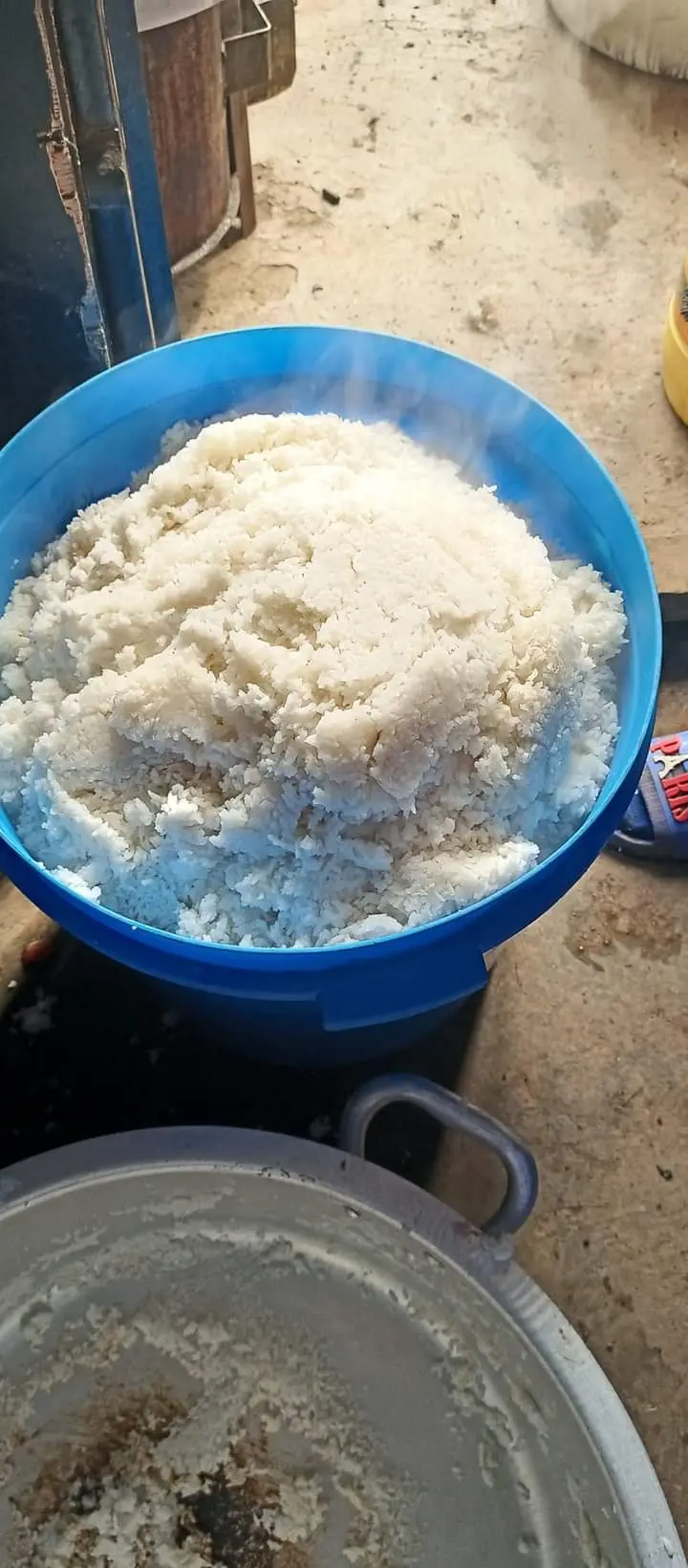
Then we ate together. There is something about a shared meal after learning—it turns advice into friendship. The children laughed at someone’s joke; an elder nodded at a point about budgeting; a volunteer washed hands beside a teenager who usually keeps to himself.
The feeding programme worked the way it should: hunger addressed, skills added, dignity kept in the room. Smiles at the end were not performance—they were relief, the kind that shows in shoulders dropping and breath going deeper.
If you missed that Saturday, you missed a good one. There will be another—and we will keep building weeks like this, one honest plate at a time, because a child who learns while they eat carries two kinds of strength home.
We are already looking ahead: more guests, more skills, more Saturdays where the lesson before lunch is practical enough to use on Monday—budgeting when the hustle is uneven, hygiene when water is shared, courage when someone tries to shame you for needing help.
Week four reminded us why we keep both parts—learning and lunch—in the same morning: a child who is heard while they eat carries the conversation home.
That is the week we want to repeat—useful talk, honest food, and the quiet pride of leaving no one standing at the back hungry and unheard.