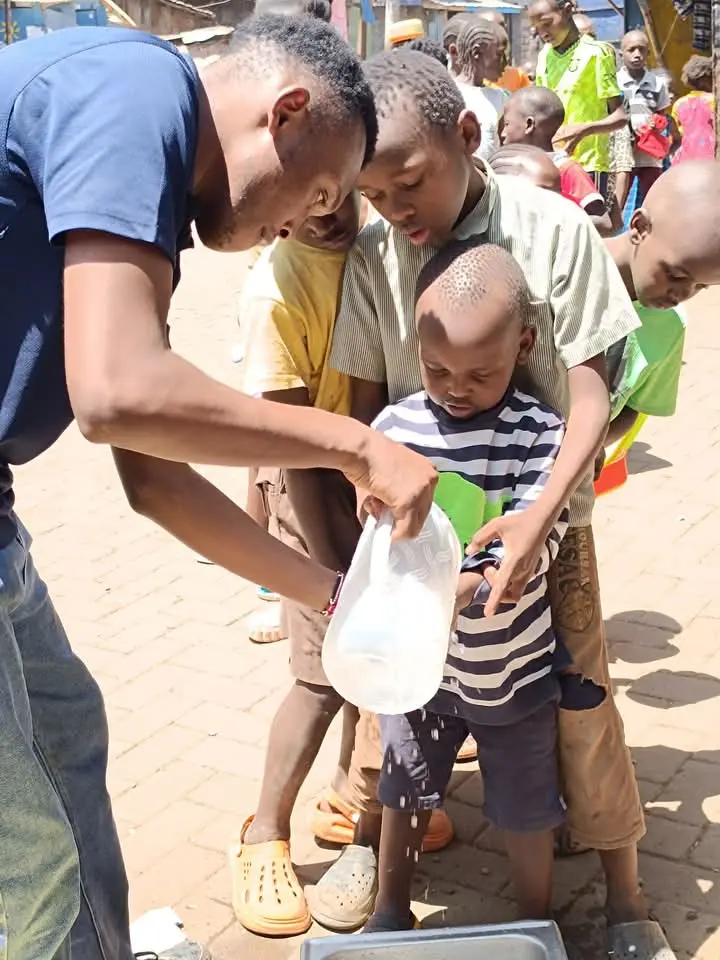
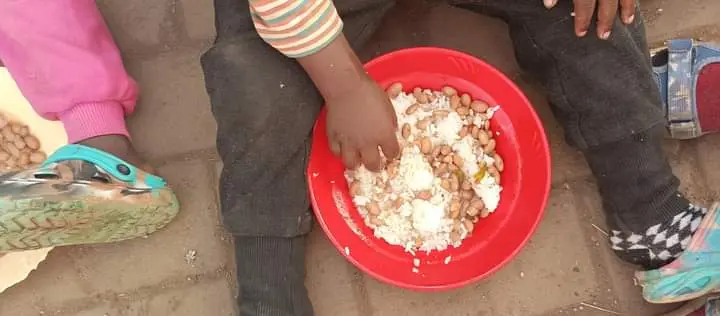
Equipment challenge for the feeding program

A feeding programme is not only food. It is plates that do not crack when they fall, spoons that do not bend on the first use, buckets that can be scrubbed clean, and storage that keeps rats honest. It is also the quiet work of washing up when everyone is tired and the sun has gone down.
We are honest about the gap: when hundreds of children eat every week, utensils wear out, disappear, or get borrowed and never returned. In a resource-tight place, ‘small’ losses add up fast—because a missing spoon is not a small thing when a child is already waiting too long in line.
What we are doing about it
We are not waiting for perfect conditions. We repair what we can, we borrow what we must, and we keep cooking—because nutrition still matters even when the budget is shy. We still believe in partnerships and creative solutions, because dignity should not depend on stainless steel being brand new.
If you can help with durable plates, spoons, or funds to replace worn equipment, you are not buying metal; you are protecting dignity—so no child eats from a cracked plate because that was the only one left. Reach out through ETCO’s usual channels and we will tell you what we need most this month.
Sometimes the humblest donation—stackable plates that survive a fall, spoons that can be boiled clean—does more for calm in the serving line than a speech ever could.
If equipment is how you want to help, tell us how many you can send and we will put it straight into service—no warehouse pride, just plates that get used the next Saturday.
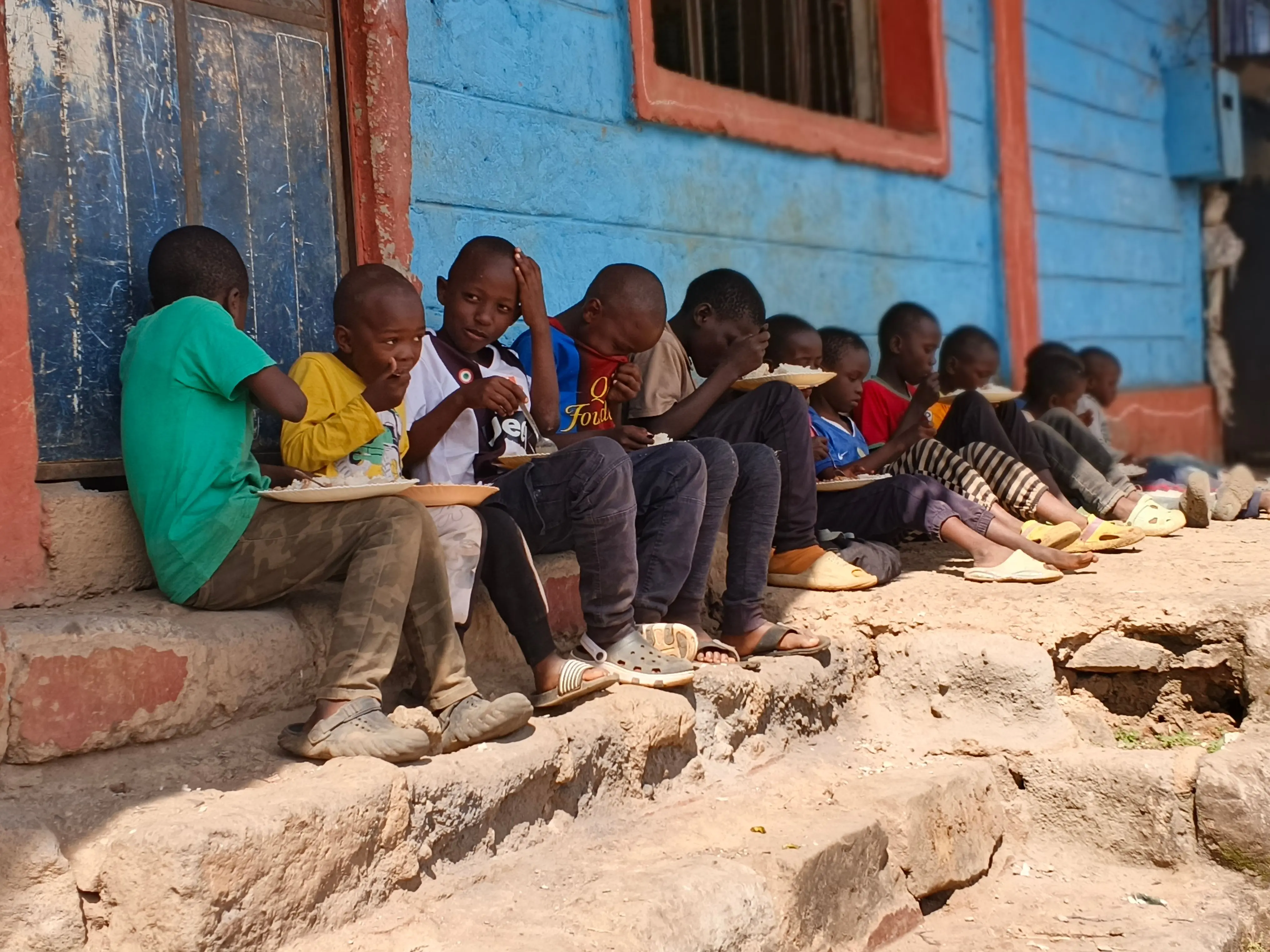
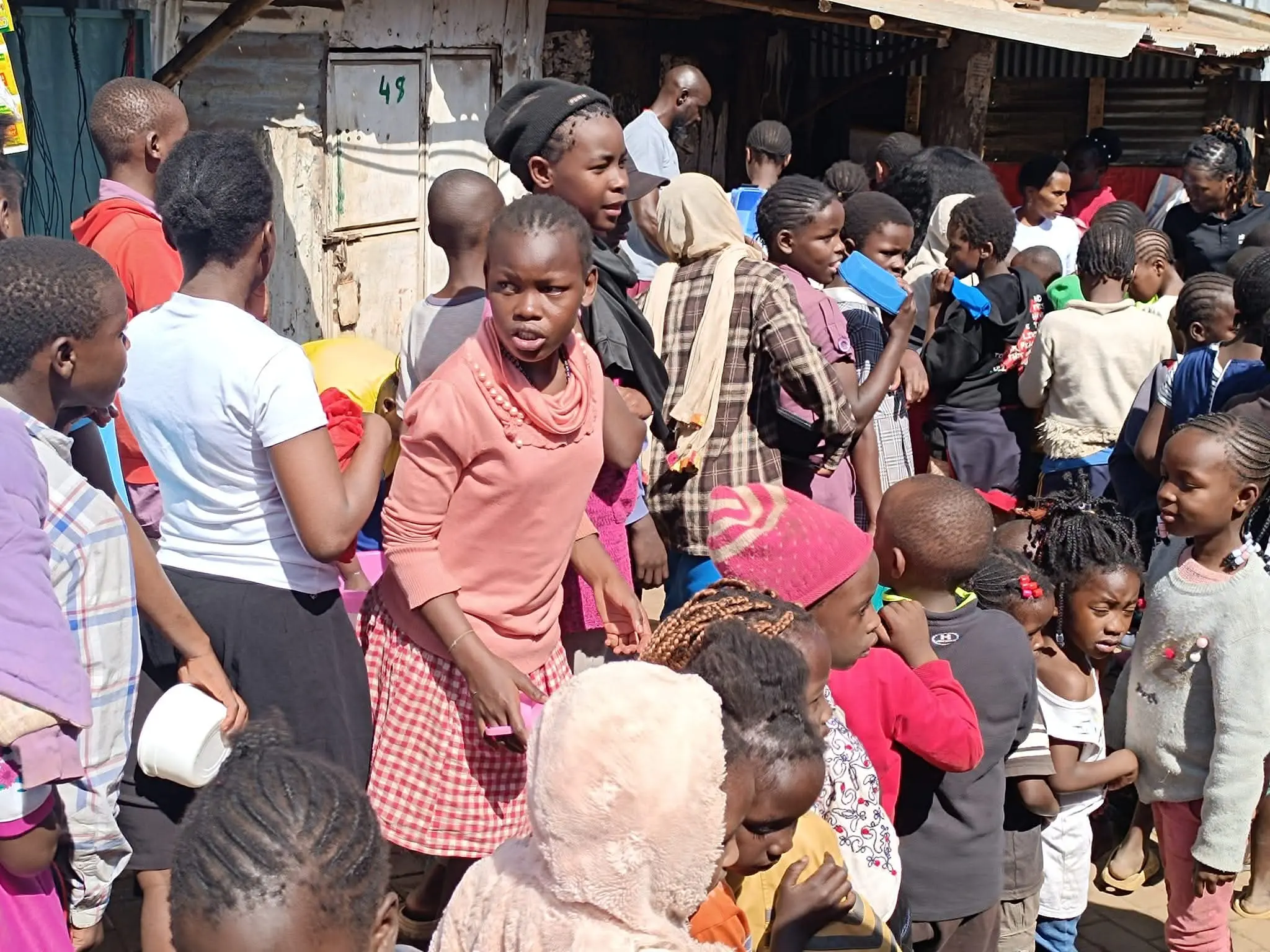
Project Site Visit by Rotary Club of IPSWICH (USA) and Kikuyu (Kenya)
It was a great and engaging day of partnership and learning as we hosted the International Rotary Club of IPSWICH team, led by Environmental Lawyer Chris and his wife, Jane, Former President of Rotary Club of Kikuyu Hon. George Ngotho and Rotarian Yumbya for a visit to our project implementation sites. The visit provided an opportunity to review the project areas on the ground, discuss implementation priorities, and strengthen our shared commitment to sustainable environmental and community development. We also had the opportunity to visit the Nairobi Rivers Commission (NRC), where we were hosted by Commissioner Dr. Loice Kipkorir, a member of the Ngong River Committee. We explored opportunities to strengthen collaboration and align our work with the Nairobi Rivers Commission's Restoration Framework.

Community Capacity Building Training
We are currently participating in the ongoing PROVE (Public Space Governance Research, Observation, Validation and Experimentation) Pilot Programme, a four-month initiative by Public Space Networks (PSN) bringing together 11 community groups from Kamukunji and Korogocho. The programme focuses on strengthening community organizations’ capacity to manage, protect and improve public spaces as well as restoring rivers and it's ecosystems. The ongoing capacity-building training is helping CBOs and community organizations better understand the connection between public spaces, river restoration and ecosystem conservation, while exploring practical approaches and stronger collaboration among communities, government agencies, development partners and other stakeholders.

High Level NRC & Development Partners Meeting
Representing the Ngong River Regeneration Network, I'm having the privilege of attending a high-level breakfast meeting convened by the Nairobi Rivers Commission (NRC) in collaboration with the Kenya Permanent Mission to UN-Habitat. The meeting has brought together Development Partners, Government Agencies, Private Sector representatives, and Community representatives to deliberate on the restoration and sustainable management of Nairobi’s rivers.