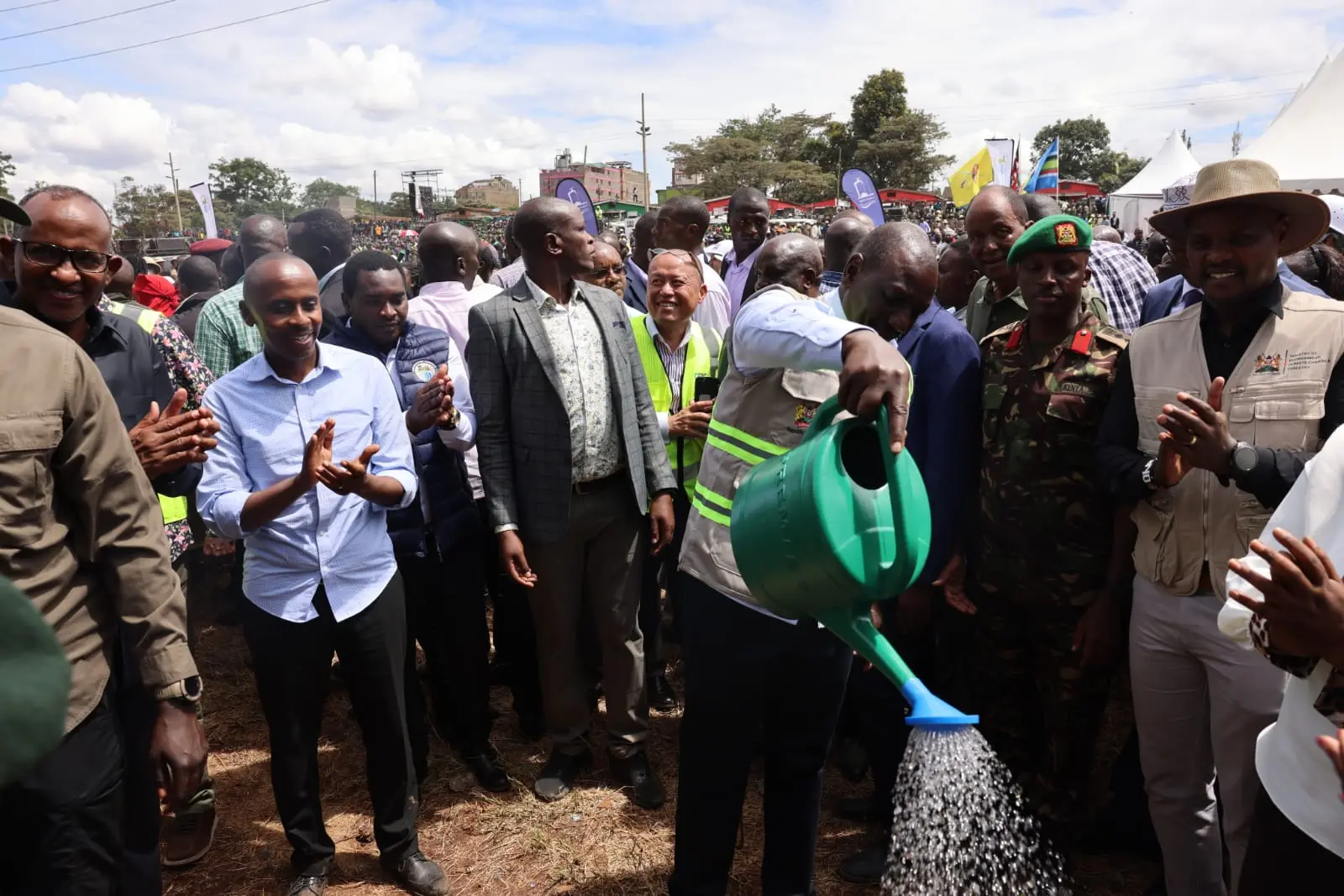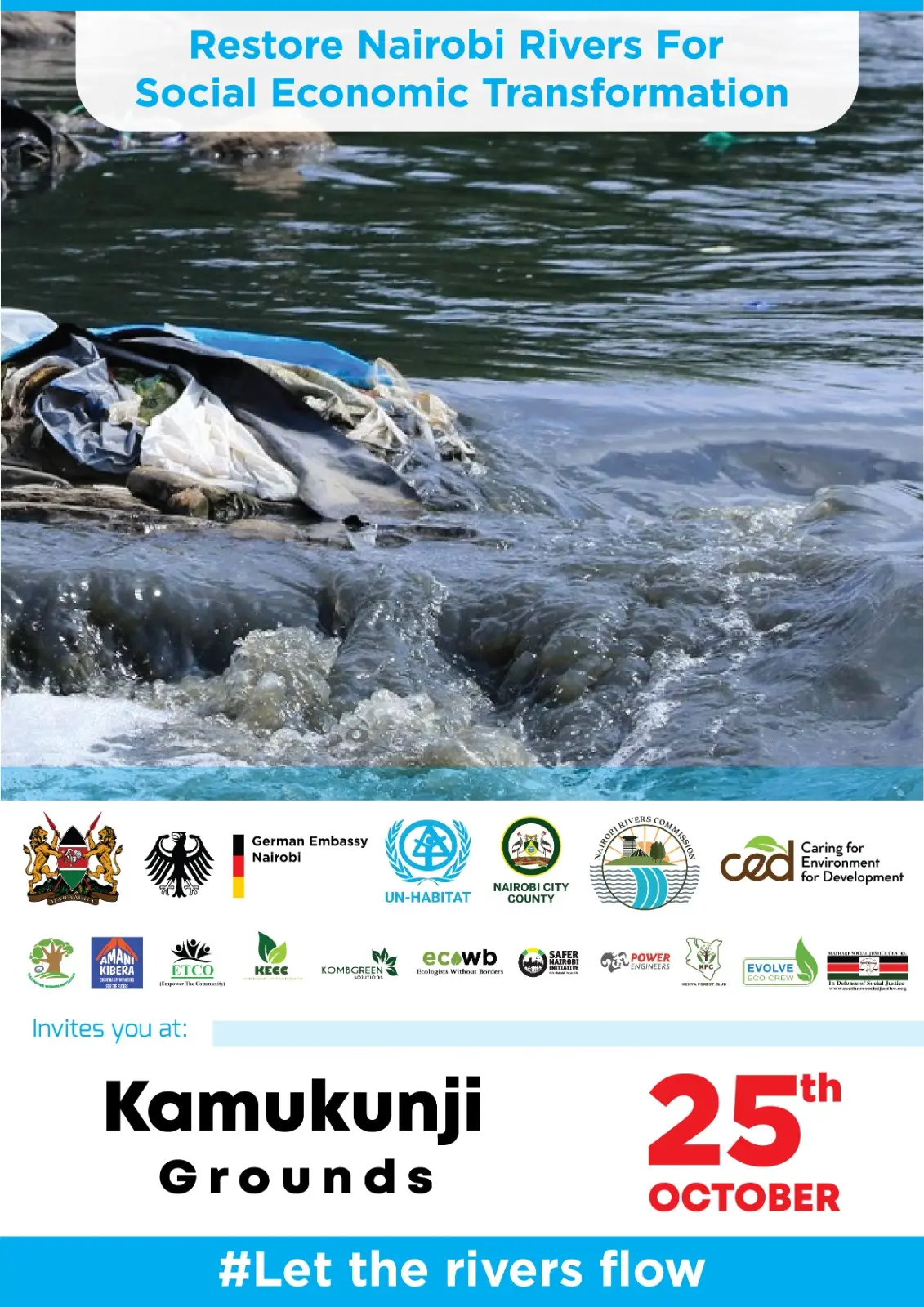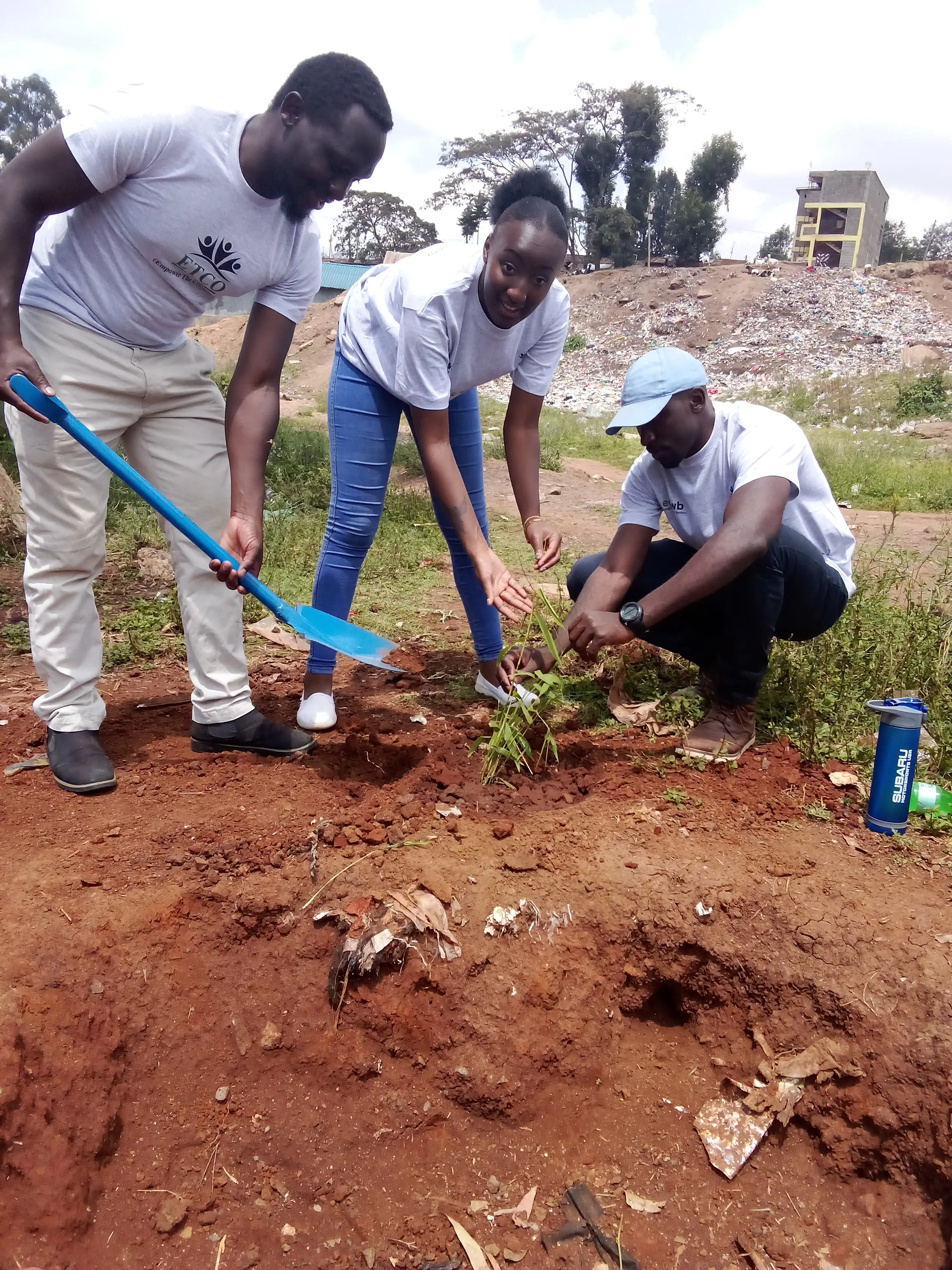

The water does not negotiate. Where it is blocked, it backs up; where waste piles, it stains everything downstream — homes, dreams, the quiet pride people hold for a neighbourhood the map often misreads. On this day, the Nairobi Rivers Commission, led by Chairperson Dr Pamela Olet, with Commissioners Dr Duncan Ojwang and Grace Messoppir, set out to see that truth up close.
They were joined by engineers from the Shanghai Municipal Engineering Design Institute (SMEDI), by ETCO CEO Collince Onyango, by community leaders, and by representatives from the Ngong River Regeneration Network. The route read like a list of places Kibera carries in muscle memory: Area 51 at Sarang’ombe Bridge, Soweto West Bridge, Kibera South Hospital Bridge, and finally Nairobi Dam itself — each stop a different angle on the same crisis.
Before the tour, Dr Olet had flagged off the Climate Worx Mtaani initiative at the Kibra DC office — a signal that government intent and community labour would move on the same calendar, not in separate diaries. The day ended at the Nairobi Dam outlet in Nyayo Highrise, where the group stood with notebooks and phones, measuring impact not in speeches but in what waste does to people who live past the last bend.
We share this tour not for applause but for accountability. If you live along these tributaries, keep reporting what you see. If you can fund safe collection or youth wages, talk to us. The dam will not heal from shame alone — it needs money, design, and neighbours who refuse to look away.